
Humita: The Origins of Humita – A Corn-Based Delight

lareddepathways.com – Humita is a traditional South American dish, particularly popular in Argentina, Chile, Peru, and Bolivia. It’s a versatile dish that can be prepared in many different ways, but the core ingredient is always corn. Humita can be steamed, baked, or fried, and it’s often served as a side dish, appetizer, or main course.

The Origins of Humita

The origins of humita can be traced back to the indigenous people of South America, who have been cultivating corn for thousands of years. The Incas were particularly skilled at preparing corn-based dishes, and humita is believed to be one of their culinary creations.

The Classic Humita

The classic humita is a simple yet delicious dish. It’s made with a mixture of corn kernels, cheese, and spices, which is then wrapped in a corn husk and steamed. The resulting dish is a flavorful and comforting treat.

Variations of Humita

While the classic humita is beloved, there are many variations on this dish. Here are a few popular options:

  • Humita en Cazuela: This variation is baked in a clay pot, which gives it a unique flavor.
  • Humita Salteña: This Bolivian version of humita is similar to a tamale, with a doughy exterior and a savory filling.
  • Humita a la Parrilla: This Argentine variation is grilled, giving it a smoky flavor.

How to Enjoy Humita

Humita can be enjoyed hot or cold. It’s often served with a side of chimichurri sauce or aji amarillo, a Peruvian chili pepper paste.

Making Humita at Home

Making humita at home can be a bit time-consuming, but it’s well worth the effort. Here’s a basic recipe:

Ingredients:

  • Corn kernels
  • Cheese
  • Onion
  • Garlic
  • Salt and pepper
  • Corn husks

Instructions:

  1. Cook the Corn: Cook the corn kernels in boiling water until they are tender.
  2. Prepare the Filling: Sauté the onion and garlic in a pan. Add the cooked corn and cheese, and season with salt and pepper.
  3. Assemble the Humita: Place a spoonful of the filling in each corn husk. Fold the husks to enclose the filling.
  4. Cook the Humita: Steam the humita for 30-45 minutes, or until the filling is cooked through.

Conclusion

Humita is a delicious and versatile dish that has been enjoyed in South America for centuries. Its simple yet satisfying flavor has made it a beloved part of Latin American cuisine. Whether you’re enjoying a classic humita or a more modern variation, you’re sure to be delighted.
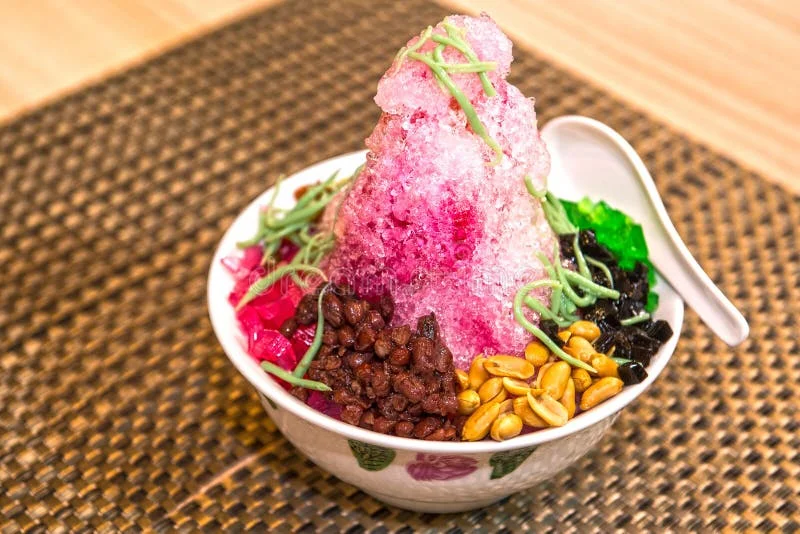
Ais Kacang: A Refreshing Malaysian Delight

lareddepathways.com – Ais Kacang, also known as “ABC” (Air Batu Campur), is a quintessential Malaysian dessert that offers a delightful escape from the tropical heat. Its vibrant colors and variety of textures make it a feast for both the eyes and the taste buds. Let’s dive into the origins, ingredients, preparation, and cultural significance of this beloved treat.

Origins and Evolution

Ais Kacang has its roots in the fusion of Malaysian and Chinese culinary traditions. Initially, this dessert was a simple concoction of shaved ice and red beans, but it has evolved over the years to include a plethora of ingredients, each adding its own unique flavor and texture. Today, Ais Kacang is a staple at hawker centers, food courts, and dessert stalls across Malaysia and Singapore, enjoyed by people of all ages.

Essential Ingredients

The beauty of Ais Kacang lies in its versatility and the multitude of ingredients that can be incorporated. The core components typically include:

  • Shaved Ice: The foundation of Ais Kacang, finely shaved ice provides a refreshing base that melts in the mouth.
  • Red Beans: Soft and slightly sweet, red beans are a traditional ingredient that adds a hearty texture.
  • Jelly: Colorful cubes of jelly contribute a chewy texture and a burst of fun.
  • Sweet Syrup: A variety of syrups, such as rose, palm sugar, or pandan, are drizzled over the ice for sweetness and flavor.
  • Condensed Milk or Evaporated Milk: These add creaminess and richness to the dessert.
  • Corn, Peanuts, and Fruits: Optional toppings like sweet corn, crushed peanuts, and fresh fruit slices can be added for extra flavor and texture.

Preparation and Serving

The preparation of Ais Kacang is as much about creativity as it is about technique. The process begins with a mound of finely shaved ice, which serves as the canvas for the toppings. Red beans and jelly are generously sprinkled over the ice, followed by a colorful drizzle of sweet syrup.

For an added touch of indulgence, a splash of condensed or evaporated milk is poured over the top, creating a creamy contrast to the icy base. Finally, the dessert is garnished with optional toppings such as corn, peanuts, or fruit, giving it a personalized touch.

Cultural Significance

Ais Kacang is more than just a dessert; it is a cultural icon that embodies the vibrant and diverse culinary heritage of Malaysia. It is often enjoyed during festive occasions, family gatherings, and as a refreshing treat on a hot day. Its popularity transcends cultural boundaries, making it a symbol of unity in Malaysia’s multicultural society.

Conclusion

Ais Kacang is a delightful dessert that captures the essence of Malaysia’s rich culinary landscape. Its combination of flavors, textures, and colors offers a sensory experience that is both satisfying and refreshing. Whether savored on a bustling street corner or in the comfort of home, Ais Kacang remains a cherished treat that continues to bring joy to those who indulge in its icy, sweet delights.