Kovbasa: The Rich Flavor of Ukrainian-Style Sausage

lareddepathways.com – Kovbasa, a traditional Ukrainian-style sausage, is a beloved dish that has been a staple in Eastern European kitchens for centuries. Made from a combination of meats, typically pork and beef, kovbasa is known for its rich flavor, savory taste, and versatility. This hearty sausage can be enjoyed in various ways: grilled, fried, boiled, or smoked. Whether served as a main dish, an appetizer, or as part of a larger feast, kovbasa brings warmth and comfort to any meal.

The Ingredients of Kovbasa

The foundation of kovbasa is its carefully selected meat mixture, which can vary based on regional and family traditions. The most common meats used are pork and beef, though some recipes also include lamb, veal, or chicken, depending on local preferences. Here are the key ingredients that go into making this flavorful sausage:

  • Pork: Pork is the most widely used meat in kovbasa, prized for its rich fat content and tender texture. It provides moisture and flavor to the sausage, making it juicy and succulent.
  • Beef: Many recipes use a combination of beef with pork to balance the richness of the pork with a leaner, more robust flavor from the beef. The mixture gives kovbasa a deeper, heartier taste.
  • Spices: Kovbasa is seasoned with a variety of spices, which can vary depending on the region. The most common seasonings include garlic, black pepper, paprika, and marjoram. These spices provide a fragrant and aromatic depth to the sausage.
  • Herbs: Fresh herbs, such as dill, thyme, and bay leaves, are often included to enhance the savory flavor profile.
  • Salt and Pepper: Salt is essential in the curing process, while black pepper adds a mild heat and sharpness to the sausage’s taste.
  • Casing: Traditional kovbasa is stuffed into natural hog or sheep casings, giving the sausage its characteristic appearance and texture. However, some variations may use synthetic casings.

The Making of Kovbasa

The process of making kovbasa is an art that requires attention to detail, patience, and care. The meat is finely ground or chopped, then mixed with the seasonings and spices. Some recipes call for the addition of rice or barley to add texture, while others may incorporate onions or garlic for an extra flavor punch.

Once the mixture is prepared, it is stuffed into casings and tightly tied at both ends. The sausages are then either smoked, boiled, or fried, depending on the recipe. Smoking is a common method, which imparts a distinctive smoky flavor to the kovbasa. After the sausages are cooked or smoked, they are often cooled and can be stored for later use.

Variations of Kovbasa

There are many regional variations of kovbasa in Ukraine, each with its own unique twist on the traditional recipe. Some of the most common variations include:

  • Homemade vs. Commercial: While homemade kovbasa is a labor of love and often made with careful attention to flavor, commercial versions of kovbasa are widely available and offer a more convenient option for those who don’t have the time or inclination to make it from scratch.
  • Smoked Kovbasa: One of the most popular forms of kovbasa is smoked. The smoking process imparts a deep, savory flavor to the sausage, making it a favorite for grilling or serving cold as part of a charcuterie platter.
  • Fresh Kovbasa: In addition to smoked varieties, kovbasa is also made fresh and then cooked by boiling or frying. Fresh kovbasa is often more delicate in flavor compared to the robust smoked versions and can be cooked in a variety of ways.
  • Specialty Kovbasa: In some regions of Ukraine, kovbasa is made with unique ingredients, such as wild game meats like venison or wild boar. These specialty sausages often have a richer, more intense flavor.
  • Spicy Kovbasa: Some versions of kovbasa are made with added spices, such as chili peppers or hot paprika, giving the sausage a spicy kick that contrasts with its savory base.

Serving Kovbasa

Kovbasa can be served in many ways, depending on personal preference and regional tradition. Some of the most common methods of serving this delicious sausage include:

  • Grilled: Grilling kovbasa is a popular method, especially during outdoor picnics or barbecues. The sausage develops a crispy, flavorful exterior while remaining juicy on the inside. It is often served alongside vegetables, sauerkraut, or potatoes.
  • Fried: Kovbasa can also be sliced and pan-fried, which brings out a crispy texture and intensified flavor. Fried kovbasa is often served with mustard or horseradish for added zest.
  • Boiled: When boiled, kovbasa becomes tender and juicy, making it perfect for serving with mashed potatoes, bread, or a side of pickles.
  • As Part of a Meal: Kovbasa is often served as part of a larger spread of traditional Ukrainian foods. It can be included in a charcuterie platter, served with borscht, or enjoyed alongside pierogi, vegetables, or grain-based side dishes like buckwheat or rice.
  • Cold Cuts: Kovbasa is also enjoyed cold, sliced thinly for sandwiches or as part of a festive appetizer platter. It pairs wonderfully with rye bread, cheese, and pickled vegetables.

Cultural Significance of Kovbasa

Kovbasa is not just a delicious food but also an important part of Ukrainian cultural heritage. It has been a staple in Ukrainian homes for centuries, often made in large batches to feed extended families during holidays or celebrations. The tradition of making kovbasa at home is still prevalent in many rural areas, where families gather to prepare the sausages together in a communal effort.

In Ukraine, kovbasa is often served during major holidays like Christmas, Easter, and New Year’s, as well as at family gatherings and celebrations. It is also a common offering during funerals and other solemn occasions, symbolizing the nurturing and comforting role that food plays in times of grief.

The preparation and sharing of kovbasa embodies the hospitality and warmth of Ukrainian culture, with many families taking pride in their unique recipes and methods of making this treasured dish.

Conclusion

Kovbasa is more than just a sausage; it is a symbol of Ukrainian culture, tradition, and family. With its rich flavor, savory taste, and versatility, kovbasa continues to be a beloved dish in Ukraine and beyond. Whether served grilled, fried, boiled, or smoked, kovbasa brings comfort and joy to every meal. Its deep cultural significance, combined with its delicious taste, ensures that this iconic Ukrainian sausage will remain a cherished food for generations to come.

Callaloo: A Green and Flavorful Jamaican Delight

lareddepathways.com – Callaloo is a vibrant and versatile dish that is deeply rooted in Jamaican cuisine. It’s a hearty soup or stew made with callaloo leaves, a type of leafy green vegetable that is similar to spinach. This flavorful dish is often enjoyed as a side dish or a main course.

The Origins of Callaloo

The origins of callaloo can be traced back to West Africa, where similar leafy green vegetables were used in various dishes. Enslaved Africans brought their culinary traditions to the Caribbean, including the use of callaloo leaves. Over time, Jamaican cooks adapted these traditions, incorporating local ingredients and spices to create a unique and delicious dish.

The Essential Ingredients

The key ingredients in callaloo include:

  • Callaloo Leaves: These leafy green vegetables provide a rich, earthy flavor.
  • Okra: Okra adds a slimy texture to the soup, which helps to thicken it.
  • Aromatic Spices: Thyme, allspice, and Scotch bonnet peppers are essential for adding flavor and heat to the dish.
  • Coconut Milk: Coconut milk enriches the soup with a creamy texture and a tropical flavor.
  • Onions, Garlic, and Scallions: These aromatic ingredients provide a savory base for the soup.

The Cooking Process

The cooking process for callaloo is relatively simple. Here’s a general overview:

  1. Sautéing the Aromatics: Onions, garlic, and scallions are sautéed in oil until softened and fragrant.
  2. Adding the Callaloo and Okra: The callaloo leaves and okra are added to the pot and sautéed for a few minutes.
  3. Adding the Coconut Milk and Spices: Coconut milk and spices, such as thyme, allspice, and Scotch bonnet peppers, are added to the pot.
  4. Simmering: The soup is brought to a boil, then reduced to a simmer and covered. It is simmered until the callaloo leaves are tender and the flavors have melded together.

Serving Suggestions

Callaloo can be served hot or cold. It’s often enjoyed with a side of rice or dumplings. Some people like to add a squeeze of lime juice to brighten up the flavors.

Cultural Significance

Callaloo is a beloved dish in Jamaican culture. It’s often served at celebrations and family gatherings, and it’s a popular choice for breakfast, lunch, or dinner. The dish’s vibrant green color and earthy flavor make it a visually appealing and delicious addition to any meal.

Humita: The Origins of Humita – A Corn-Based Delight

lareddepathways.com – Humita is a traditional South American dish, particularly popular in Argentina, Chile, Peru, and Bolivia. It’s a versatile dish that can be prepared in many different ways, but the core ingredient is always corn. Humita can be steamed, baked, or fried, and it’s often served as a side dish, appetizer, or main course.

The Origins of Humita

The origins of humita can be traced back to the indigenous people of South America, who have been cultivating corn for thousands of years. The Incas were particularly skilled at preparing corn-based dishes, and humita is believed to be one of their culinary creations.

The Classic Humita

The classic humita is a simple yet delicious dish. It’s made with a mixture of corn kernels, cheese, and spices, which is then wrapped in a corn husk and steamed. The resulting dish is a flavorful and comforting treat.

Variations of Humita

While the classic humita is beloved, there are many variations on this dish. Here are a few popular options:

  • Humita en Cazuela: This variation is baked in a clay pot, which gives it a unique flavor.
  • Humita Salteña: This Bolivian version of humita is similar to a tamale, with a doughy exterior and a savory filling.
  • Humita a la Parrilla: This Argentine variation is grilled, giving it a smoky flavor.

How to Enjoy Humita

Humita can be enjoyed hot or cold. It’s often served with a side of chimichurri sauce or aji amarillo, a Peruvian chili pepper paste.

Making Humita at Home

Making humita at home can be a bit time-consuming, but it’s well worth the effort. Here’s a basic recipe:

Ingredients:

  • Corn kernels
  • Cheese
  • Onion
  • Garlic
  • Salt and pepper
  • Corn husks

Instructions:

  1. Cook the Corn: Cook the corn kernels in boiling water until they are tender.
  2. Prepare the Filling: Sauté the onion and garlic in a pan. Add the cooked corn and cheese, and season with salt and pepper.
  3. Assemble the Humita: Place a spoonful of the filling in each corn husk. Fold the husks to enclose the filling.
  4. Cook the Humita: Steam the humita for 30-45 minutes, or until the filling is cooked through.

Conclusion

Humita is a delicious and versatile dish that has been enjoyed in South America for centuries. Its simple yet satisfying flavor has made it a beloved part of Latin American cuisine. Whether you’re enjoying a classic humita or a more modern variation, you’re sure to be delighted.

The Cantaloupe: A Sweet Summer Treat

lareddepathways.com – Cantaloupe, with its vibrant orange flesh and sweet, refreshing flavor, is a beloved summer fruit. Beyond its delicious taste, cantaloupe offers a range of health benefits, making it a worthy addition to a balanced diet. Let’s delve into the world of cantaloupe, exploring its nutritional value, health benefits, and culinary versatility.

A Nutritional Powerhouse

Cantaloupe is packed with essential nutrients that contribute to overall well-being. A serving of cantaloupe provides:

  • Vitamins and Minerals: Cantaloupe is a good source of vitamins A, C, and K, as well as potassium. Vitamin A is essential for good vision, while vitamin C supports the immune system. Potassium helps maintain healthy blood pressure levels.
  • Antioxidants: Cantaloupe contains various antioxidants, including beta-carotene, which gives it its vibrant orange color. Beta-carotene is a powerful antioxidant that has been linked to a reduced risk of certain types of cancer, heart disease, and other chronic diseases.
  • Fiber: Cantaloupe contains dietary fiber, which aids digestion and promotes a healthy gut.

Health Benefits of Cantaloupe

The nutritional profile of cantaloupe translates into a range of health benefits:

  • Hydration: Cantaloupe’s high water content makes it an excellent source of hydration, especially during hot weather.
  • Heart Health: The potassium in cantaloupe helps maintain healthy blood pressure levels, reducing the risk of heart disease. The antioxidants, particularly beta-carotene, also contribute to heart health by reducing inflammation and oxidative stress.
  • Skin Health: The vitamin C in cantaloupe supports collagen production, which is essential for healthy skin. It also helps protect the skin from damage caused by free radicals.
  • Digestive Health: The fiber in cantaloupe promotes healthy digestion and can help alleviate constipation.
  • Boosted Immunity: The vitamin C in cantaloupe supports the immune system, helping to fight off infections and illnesses.

Culinary Delights with Cantaloupe

Cantaloupe is incredibly versatile and can be enjoyed in various ways:

  • Fresh: Enjoy cantaloupe on its own as a refreshing and healthy snack.
  • Juices and Smoothies: Cantaloupe can be juiced or blended into smoothies for a delicious and refreshing drink.
  • Salads: Cantaloupe can be added to salads for a sweet and refreshing twist.
  • Sorbet and Ice Cream: Cantaloupe can be used to make delicious and healthy sorbets and ice creams.

Whether you prefer it fresh, juiced, or in various culinary preparations, cantaloupe offers a delicious and healthy way to stay hydrated and nourished. So, next time you’re looking for a refreshing and nutritious treat, reach for a slice of cantaloupe and savor its many benefits.

Khao Swe: A Creamy Delight from Myanmar

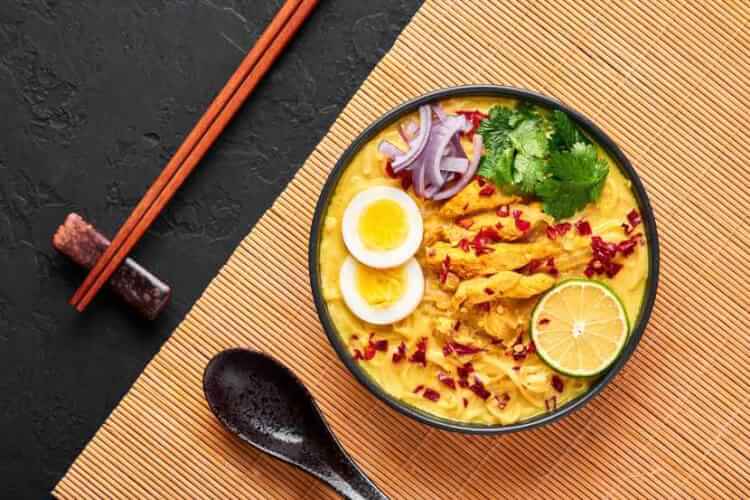
lareddepathways.com – Khao Swe, a rich and comforting noodle soup, is a beloved dish in Myanmar. This creamy delight is characterized by its coconut milk-based broth, which imparts a luscious and savory flavor. The soup is typically served with a variety of toppings, allowing diners to customize their bowl to their liking.

A Symphony of Flavors

At the heart of Khao Swe lies a velvety smooth coconut milk broth, infused with aromatic spices such as garlic, shallots, and chili peppers. This broth is simmered until it reaches the perfect balance of richness and spice, creating a truly indulgent experience.

The noodles used in Khao Swe are typically made from rice flour, resulting in a delicate and slightly chewy texture. These noodles are cooked al dente and then added to the coconut milk broth, where they soak up the flavorful liquid.

To elevate the flavor profile of Khao Swe, a variety of toppings are often added. These can include:

  • Fried garlic: This aromatic ingredient adds a savory crunch to the soup.
  • Chili oil: This fiery condiment adds a spicy kick to the dish.
  • Lime wedges: These add a tangy and refreshing flavor.
  • Fresh herbs: Coriander and mint are commonly used to garnish the dish.
  • Crispy noodles: These provide a contrasting texture to the soft noodles.

A Cultural Tapestry

Khao Swe is deeply rooted in Myanmar’s cultural heritage and is often enjoyed as a breakfast or lunch dish. It is particularly popular in the Irrawaddy Delta region, where it is often served with a variety of side dishes, such as pickled vegetables and fish cakes.

The preparation of Khao Swe is a skill that is often passed down from generation to generation. It requires a delicate balance of flavors and textures, and the best versions of the dish are often made by experienced cooks who have honed their craft over many years.

A Global Culinary Sensation

In recent years, Khao Swe has gained international recognition, captivating the palates of food lovers around the world. Its creamy and comforting nature, its unique blend of flavors, and its beautiful presentation have contributed to its growing popularity.

From renowned chefs incorporating Khao Swe into their menus to home cooks experimenting with their own versions, the dish has transcended borders and become a global culinary sensation.

A Recipe for the Soul

While the exact recipe for Khao Swe may vary, the essential elements remain the same: a rich coconut milk broth, delicate rice noodles, and a variety of savory toppings. The key to a truly authentic Khao Swe experience lies in the quality of the ingredients and the balance of flavors.

Whether you’re savoring a bowl of Khao Swe in a bustling street market in Myanmar or recreating the dish in your own kitchen, it is sure to transport you to the heart of Burmese culture, offering a taste of its vibrant and delicious cuisine.

Montreal-Style Bagels: A Chewy Delight

lareddepathways.com – Montreal-style bagels have a distinct character that sets them apart from their New York counterparts. These bagels are known for their dense, chewy texture, slightly sweet flavor, and glossy, golden-brown crust.

The Boiling Process

One of the key factors that contribute to the unique texture of Montreal-style bagels is the boiling process. Before baking, the bagels are boiled in a pot of water, often with added honey or malt syrup. This boiling step helps to create a shiny crust and a chewy interior.

A Culinary Heritage

The history of Montreal-style bagels is deeply rooted in the city’s Jewish community. Jewish immigrants brought their baking traditions to Montreal in the late 19th and early 20th centuries. Over time, the bagels adapted to local ingredients and preferences, resulting in the distinctive Montreal-style bagel.

A Perfect Pairing

Montreal-style bagels are often enjoyed with a variety of toppings, including cream cheese, smoked salmon, lox, and various spreads. They can also be toasted and topped with butter or jam.

A Global Phenomenon

While Montreal-style bagels are synonymous with the city of Montreal, their popularity has spread far and wide. Many bakeries around the world now offer their own versions of these iconic bagels. Whether you’re in Montreal or elsewhere, a good Montreal-style bagel is a delicious treat that can be enjoyed any time of day.

Kangaroo Meat: A Lean and Sustainable Choice from Australia

lareddepathways.com – Kangaroo meat is gaining attention as a unique and healthy meat option, offering a lean and environmentally friendly alternative to more traditional meats. Native to Australia, kangaroo meat has been a part of the Indigenous Australian diet for thousands of years, and it is now becoming popular worldwide for its health benefits and sustainability. In this article, we’ll explore the nutritional advantages, environmental impact, and culinary uses of kangaroo meat.

Nutritional Benefits of Kangaroo Meat

Kangaroo meat is celebrated for its impressive nutritional profile, making it an excellent choice for health-conscious consumers. Here are some of the key benefits:

  1. Low in Fat: Kangaroo meat is extremely lean, with a fat content of less than 2%. This makes it an ideal option for those looking to reduce their fat intake without sacrificing taste.
  2. High in Protein: Packed with protein, kangaroo meat supports muscle growth and repair, making it particularly appealing to athletes and fitness enthusiasts.
  3. Rich in Iron and Zinc: Kangaroo meat is an excellent source of essential minerals like iron and zinc, which are crucial for maintaining energy levels and supporting the immune system.
  4. Omega-3 Fatty Acids: Unlike many red meats, kangaroo meat contains significant levels of omega-3 fatty acids, which are beneficial for heart health.

Environmental Impact of Kangaroo Meat

Kangaroo meat is not only healthy but also environmentally sustainable. Here are a few reasons why:

  1. Low Greenhouse Gas Emissions: Kangaroos produce less methane compared to cattle and sheep, resulting in lower greenhouse gas emissions.
  2. Minimal Water Usage: Kangaroos require less water than many other livestock species, making their farming less taxing on water resources.
  3. Wild Harvesting: Most kangaroo meat comes from wild harvesting, which helps manage kangaroo populations and reduce overgrazing in their natural habitat.

These factors contribute to kangaroo meat being a more sustainable choice compared to traditional livestock farming.

Culinary Uses of Kangaroo Meat

Kangaroo meat is versatile and can be used in a variety of dishes. Here are some popular ways to enjoy it:

  1. Steaks and Fillets: Kangaroo steaks and fillets are tender and flavorful, best cooked rare to medium-rare to retain their juiciness.
  2. Ground Meat: Ground kangaroo meat can be used in burgers, meatballs, or tacos, offering a lean and tasty alternative to beef.
  3. Curries and Stews: With its rich flavor, kangaroo meat pairs well with bold spices, making it perfect for curries and hearty stews.
  4. Jerky and Snacks: Kangaroo meat is also available as jerky, offering a protein-rich snack option.

Conclusion

Kangaroo meat is a distinctive and nutritious choice that offers numerous health and environmental benefits. Its lean profile, rich nutrient content, and minimal environmental impact make it an attractive option for those looking to diversify their diet. Whether you’re a culinary adventurer or simply seeking a healthier meat alternative, kangaroo meat provides a delicious and responsible way to enjoy the flavors of Australia.

Syrniki: Delightful Cheese Pancakes Made with Cottage Cheese

lareddepathways.com – Syrniki are a beloved Eastern European delicacy, offering a delightful twist on traditional pancakes. Made with cottage cheese, these cheese pancakes are known for their creamy texture and slightly tangy flavor. Often enjoyed for breakfast or as a dessert, Syrniki are a comforting and versatile dish that showcases the simplicity and richness of Slavic cuisine.

The Origins of Syrniki

The name “Syrniki” comes from the word “syr,” which means cheese in several Slavic languages. These pancakes have been a staple in Russian, Ukrainian, and Belarusian kitchens for centuries, often passed down through generations. The use of cottage cheese in Syrniki reflects the agricultural traditions of Eastern Europe, where dairy products have long been a dietary cornerstone.

Ingredients and Preparation

Ingredients

The essential ingredients for making Syrniki include:

  • Cottage cheese: The star ingredient, providing a creamy base and tangy flavor.
  • Eggs: Help bind the mixture and contribute to the pancakes’ structure.
  • Flour: Used to give the pancakes body and assist in shaping.
  • Sugar: Adds sweetness, though the amount can be adjusted to taste.
  • Salt: Enhances the overall flavor.
  • Optional additions: Raisins or vanilla extract can be added for extra flavor.

Preparation

  1. Prepare the Batter: Begin by draining any excess liquid from the cottage cheese to ensure the batter is thick. Mix the cottage cheese with eggs, sugar, and a pinch of salt. Gradually add flour until the mixture holds together but remains soft.
  2. Shape the Pancakes: Divide the mixture into small portions and shape each into a patty. Lightly dust the patties with flour to prevent sticking.
  3. Cook the Syrniki: Heat a skillet with a bit of oil or butter over medium heat. Fry the pancakes until golden brown on each side, ensuring they are cooked through.

Serving Suggestions

Syrniki can be enjoyed in a variety of ways, making them a versatile dish suitable for different occasions. They are often served with:

  • Sour cream: A traditional accompaniment that complements the pancakes’ richness.
  • Fresh berries or fruit preserves: Add a burst of flavor and natural sweetness.
  • Honey or maple syrup: For those who prefer a sweeter treat.
  • Powdered sugar: A light dusting adds a touch of elegance.

Variations and Cultural Significance

While the classic version of Syrniki is made with cottage cheese, variations exist across different regions and personal preferences. Some recipes incorporate ricotta cheese or farmer’s cheese for a slightly different texture and taste. Adding ingredients like lemon zest or nuts can also provide unique flavor twists.

Syrniki hold cultural significance as a symbol of home and tradition. They are often associated with family gatherings and leisurely weekend breakfasts, embodying the warmth and hospitality of Eastern European culinary practices.

Conclusion

Syrniki are more than just cheese pancakes; they are a testament to the rich culinary heritage of Eastern Europe. Their creamy texture, delightful flavor, and versatility make them a cherished dish for many. Whether served as a comforting breakfast or a sweet dessert, Syrniki offer a taste of tradition and a reminder of the simple pleasures of home-cooked meals.

Savoring Kuay Tiew: A Journey into Thai Noodle Soup

lareddepathways.com – Kuay Tiew, or Thai noodle soup, is a versatile and comforting dish that holds a special place in the hearts of Thai people and food enthusiasts worldwide. Known for its rich broth, tender noodles, and customizable toppings, Kuay Tiew can be enjoyed at any time of day. In this article, we will explore the origins, ingredients, preparation, and cultural significance of this beloved Thai staple.

The Origins of Kuay Tiew

Kuay Tiew is a dish that reflects Thailand’s culinary diversity and adaptability. It has roots in Chinese cuisine, having been introduced to Thailand by Chinese immigrants. Over time, it has evolved into a distinctly Thai dish, with regional variations that incorporate local ingredients and flavors. Whether served in bustling street markets or quiet family kitchens, Kuay Tiew is a testament to Thailand’s rich culinary tapestry.

Key Ingredients

The beauty of Kuay Tiew lies in its simplicity and the ability to customize it to one’s taste. Here are the essential components:

  • Noodles: Typically made from rice, the noodles can vary in size and thickness, from thin vermicelli to wide rice noodles.
  • Broth: The base of the soup, often made from simmered bones (pork, chicken, or beef) with herbs and spices for depth and flavor.
  • Protein: Common choices include sliced meat (pork, chicken, or beef), fish balls, tofu, or seafood.
  • Vegetables: Bean sprouts, Chinese cabbage, and scallions add freshness and texture.
  • Aromatics: Garlic, ginger, and lemongrass infuse the broth with fragrant notes.
  • Garnishes: Fresh herbs like cilantro and basil, as well as lime wedges, chili flakes, and fish sauce for seasoning.

Preparation Method

Making Kuay Tiew involves crafting a flavorful broth and assembling the ingredients just before serving. Here’s a basic guide:

  1. Prepare the Broth: Simmer bones (pork, chicken, or beef) with garlic, ginger, lemongrass, and other seasonings for several hours to develop a rich, savory broth. Strain and adjust seasoning with fish sauce and sugar.
  2. Cook the Noodles: Boil the rice noodles according to their package instructions, then rinse under cold water to stop cooking.
  3. Assemble the Soup: In a serving bowl, place a portion of noodles and top with the chosen protein and vegetables.
  4. Add the Broth: Pour the hot broth over the noodles and toppings, allowing the flavors to meld together.
  5. Garnish and Serve: Add fresh herbs, lime wedges, and chili flakes to taste. Serve immediately, allowing diners to customize their seasoning.

Cultural Significance

Kuay Tiew is more than just a meal; it’s an integral part of Thai daily life. Eaten for breakfast, lunch, or dinner, it is a quick and satisfying option that reflects the Thai approach to food—simple yet full of flavor. Whether enjoyed at a bustling market stall or a quiet street-side vendor, Kuay Tiew represents the communal and casual nature of Thai dining.

Conclusion

Kuay Tiew (Noodle Soup) is a delightful exploration of Thai flavors and culinary traditions. Its combination of silky noodles, savory broth, and fresh toppings makes it a comforting and versatile dish for any occasion. Whether you’re enjoying it on the streets of Bangkok or in your own kitchen, Kuay Tiew offers a delicious glimpse into the heart of Thai cuisine.

The Allure and Legacy of “Valley of the Dolls” (1967)

lareddepathways.com – “Valley of the Dolls,” released in 1967, is a movie adaptation of Jacqueline Susann’s bestselling 1966 novel. Directed by Mark Robson, the film explores the tumultuous lives of three women in the entertainment industry as they navigate fame, ambition, and personal turmoil.

Plot and Characters

The story follows Anne Welles, Neely O’Hara, and Jennifer North, three women with dreams of making it big in show business. Anne, played by Barbara Parkins, is a small-town girl who moves to New York and lands a job at a theatrical agency. Patty Duke portrays Neely, a talented singer whose rise to fame is marred by addiction. Sharon Tate’s character, Jennifer, is a beautiful actress who struggles with health issues and a failing marriage.

Themes and Reception

“Valley of the Dolls” delves into themes of ambition, addiction, and the dark side of fame. The title refers to the “dolls,” a slang term for the prescription drugs that the characters become dependent on. Upon release, the film received mixed reviews, with some critics labeling it as melodramatic and overly sensationalized. However, it resonated with audiences and became a commercial success.

Cultural Impact

Despite its initial critical reception, “Valley of the Dolls” has achieved cult status over the years. The film’s portrayal of the glamorous yet destructive world of show business continues to captivate viewers. Its over-the-top drama and iconic performances have contributed to its enduring appeal, making it a subject of fascination and analysis in popular culture.

Conclusion

“Valley of the Dolls” stands as a testament to the complexities of fame and the personal struggles faced by those who seek it. Its blend of glamour, drama, and cautionary tales about the pitfalls of success ensures its place in cinematic history, remaining relevant decades after its release.

Döner Kebab: A Culinary Icon of Turkish Cuisine

lareddepathways.com – Döner kebab, a hallmark of Turkish culinary tradition, is a dish that has captivated taste buds around the world. Known for its succulent, thinly sliced meat cooked on a vertical rotisserie, döner kebab is a versatile meal that can be enjoyed in various forms, whether wrapped in flatbread or served on a plate. This article explores the rich history, preparation, and global appeal of döner kebab, shedding light on why it has become a beloved street food staple.

The Origins of Döner Kebab

The history of döner kebab dates back to the 19th century in the Ottoman Empire. It is believed to have been invented in Bursa, Turkey, by a chef named İskender Efendi. The word “döner” comes from the Turkish verb “dönmek,” meaning “to turn,” which aptly describes the cooking method. Over time, döner kebab has evolved, making its mark not only in Turkey but also across Europe and beyond, becoming a favorite among street food enthusiasts.

The Art of Preparing Döner Kebab

The preparation of döner kebab is an art form that requires skill and precision. The process begins with marinating slices of meat, typically lamb, beef, or chicken, in a flavorful blend of spices, yogurt, and herbs. The marinated meat is then stacked onto a large skewer and cooked on a vertical rotisserie. As the meat rotates slowly, it is cooked evenly, developing a crispy, caramelized exterior while remaining juicy and tender inside.

Serving Döner Kebab

Döner kebab is celebrated for its versatility in serving options. One of the most popular ways to enjoy döner is in a wrap, where the sliced meat is placed inside flatbread such as lavash or pita, along with fresh vegetables, pickles, and sauces like tahini or garlic yogurt. Alternatively, döner can be served on a plate, accompanied by rice or fries and a side of salad, creating a hearty and satisfying meal.

Global Influence and Adaptations

The global popularity of döner kebab has led to numerous adaptations and variations. In Germany, the döner has become a cultural phenomenon, often served with a variety of sauces and toppings. In the Middle East, similar dishes like shawarma share roots with döner kebab, highlighting the interconnectedness of regional cuisines. Each variation brings its own unique twist to the classic döner, reflecting local tastes and ingredients.

A Cultural Staple

Döner kebab is more than just a meal; it represents a cultural staple that bridges communities and traditions. It is a symbol of culinary innovation, showcasing how a simple cooking technique can create a dish that resonates with people from diverse backgrounds. Whether enjoyed as a quick lunch or a late-night snack, döner kebab offers a delicious and satisfying experience that continues to charm food lovers worldwide.

In conclusion, döner kebab is a true icon of Turkish cuisine, embodying a rich history and a dynamic presence in the global food scene. Its irresistible flavors and adaptability have ensured its place as a beloved dish, inviting everyone to savor its delights.

Nightcap Nibbles: The Perfect End to Your Evening

lareddepathways.com – As the evening winds down, a nightcap accompanied by some delightful nibbles can be the perfect way to conclude your day. Whether you’re entertaining guests or simply enjoying a quiet night at home, the right selection of nightcap nibbles can enhance the experience, providing a satisfying end to your evening.

Understanding Nightcap Nibbles

Nightcap nibbles refer to small, often savory or sweet snacks that are enjoyed alongside a nightcap, which is typically a drink consumed shortly before bedtime. These nibbles are meant to be light and not too filling, ensuring they don’t disrupt your sleep.

Savory Nightcap Nibbles

Savory nibbles are a popular choice for pairing with a nightcap. They offer a satisfying crunch and a variety of flavors that complement the taste of your drink. Here are some savory nightcap nibble ideas:

  • Cheese and Crackers: A selection of cheeses paired with crisp crackers is a classic choice. Opt for cheeses that are not too strong, such as mild cheddar, brie, or goat cheese.
  • Olives: A bowl of olives, either plain or stuffed with almonds or blue cheese, adds a touch of sophistication and a burst of flavor.
  • Nuts: A mix of roasted nuts, such as almonds, walnuts, and cashews, provides a healthy dose of protein and healthy fats.
  • Vegetable Crudités: Fresh vegetable sticks, such as carrots, celery, and bell peppers, served with a dip like hummus or tzatziki, offer a refreshing and nutritious option.
  • Savory Biscuits: Whole grain or artisanal biscuits with a hint of herbs or cheese can be a delightful accompaniment to your nightcap.

Sweet Nightcap Nibbles

For those with a sweet tooth, there are plenty of sweet nibbles that can satisfy your cravings without being too heavy. Here are some ideas:

  • Chocolate: A few pieces of high-quality dark chocolate can be both indulgent and beneficial, thanks to its antioxidant properties.
  • Fruit: Fresh fruit, such as berries, sliced apples, or grapes, offers a natural sweetness and a variety of vitamins and minerals.
  • Cookies: Homemade or gourmet cookies, such as shortbread or macarons, can provide a satisfying sweet treat.
  • Chocolate-Covered Fruit: Chocolate-covered strawberries or cherries combine the best of both worlds, offering a sweet and fruity indulgence.
  • Pudding or Custard: A small serving of pudding or custard can be a comforting and delicious way to end your evening.

Pairing Nibbles with Your Nightcap

The key to enjoying nightcap nibbles is to pair them well with your chosen drink. Here are some pairing suggestions:

  • Whiskey: Pair with savory nibbles like cheese and crackers or nuts.
  • Wine: Light wines go well with fruit or vegetable crudités, while red wines pair nicely with cheese and chocolate.
  • Brandy or Cognac: These spirits complement chocolate and fruit-based nibbles.
  • Herbal Tea: For a non-alcoholic nightcap, herbal tea pairs well with cookies or savory biscuits.

Mindful Indulgence

While nightcap nibbles can be a delightful end to your evening, it’s important to enjoy them mindfully. Pay attention to portion sizes and listen to your body’s hunger cues. Avoid overeating, especially close to bedtime, to ensure a restful sleep.

Conclusion

Nightcap nibbles offer a delightful way to conclude your evening, providing a satisfying and enjoyable experience. Whether you prefer savory or sweet options, the right nibbles can enhance the flavor of your nightcap and contribute to a peaceful end to your day. Experiment with different combinations to find your perfect pairing and enjoy the simple pleasures of a well-chosen nightcap nibble.

Perfecting the End of Your Meal: The Cheese Course

lareddepathways.com – The cheese course, a time-honored tradition in many cultures, is the perfect way to conclude a meal. It offers a moment of indulgence and reflection, allowing the flavors of the meal to linger and the conversation to continue. Whether you’re hosting a dinner party or simply enjoying a quiet evening at home, the art of selecting and serving cheese can elevate your dining experience to new heights.

The Importance of the Cheese Course

The cheese course serves as a bridge between the main course and dessert, providing a palate cleanser that prepares the taste buds for the sweet finale. It’s an opportunity to showcase a variety of flavors and textures, from the creamy richness of a Brie to the sharp tang of a Cheddar. The cheese course also encourages a slower pace, allowing guests to savor the moment and enjoy the company around them.

Selecting the Perfect Cheeses

Choosing the right cheeses is key to a successful cheese course. Aim for a selection that offers a range of flavors, textures, and aromas. Here are some tips to guide your selection:

  • Variety in Texture: Include a mix of soft, semi-soft, semi-hard, and hard cheeses. This variety will provide an interesting contrast and cater to different preferences.
  • Balance of Flavors: Offer a selection that includes mild, medium, and strong flavors. This allows guests to explore their palate and discover new favorites.
  • Consider the Origin: Cheeses from different regions have distinct characteristics. A selection that includes cheeses from various countries or regions can be both educational and delicious.
  • Pairing with Wine: If you plan to serve wine with your cheese course, consider how the cheeses will complement the wines. Some cheeses can overpower certain wines, so it’s important to find a balance.

Presenting the Cheese Course

The presentation of the cheese course is as important as the selection itself. Here are some tips to ensure your cheese course looks as good as it tastes:

  • Use a Cheese Board: A wooden cheese board is the classic choice, but slate or marble can also make a beautiful presentation.
  • Arrangement: Arrange the cheeses on the board with some space between them. This allows guests to appreciate each cheese individually.
  • Accompaniments: Serve the cheeses with accompaniments such as fresh fruit, nuts, honey, and crackers or bread. These items can enhance the flavors of the cheese and provide a satisfying crunch.
  • Labeling: Small cards or labels can help guests identify each cheese. This is especially helpful if you’re serving less familiar varieties.

Serving and Enjoying the Cheese Course

When serving the cheese course, it’s important to let the cheeses come to room temperature before serving. This brings out their full flavor and texture. Provide cheese knives or a cheese slicer, so guests can easily serve themselves.

Encourage guests to try a little of each cheese and to experiment with different accompaniments. The cheese course is a moment to indulge and explore, so make it an experience to remember.

Conclusion

The cheese course is more than just an afterthought; it’s an opportunity to elevate your dining experience and leave a lasting impression on your guests. With careful selection, thoughtful presentation, and a focus on enjoyment, the cheese course can be the perfect end to any meal. So next time you’re planning a special dinner, don’t forget to savor the art of the cheese course.

Warm and Welcoming Rural Recipes: Country Comforts

lareddepathways.com – Nestled within the heart of rural communities, a wealth of culinary traditions thrives, offering a taste of simplicity and warmth that is hard to find elsewhere. These recipes, often passed down through generations, are more than just a list of ingredients; they are a testament to the spirit of the countryside, embodying the essence of comfort and hospitality. In this article, we delve into the world of rural recipes, exploring the flavors and stories that make them so special.

The Essence of Rural Cooking

Rural cooking is characterized by its reliance on fresh, local ingredients and its emphasis on hearty, filling dishes that can sustain hardworking individuals through long days. It’s about making the most of what the land provides, from the freshest produce to the finest meats, and transforming them into meals that are both nourishing and comforting.

Recipes That Tell a Story

Many rural recipes come with a story, a piece of history that adds depth to the flavor. Whether it’s a pie that’s been a staple at harvest festivals for decades or a stew that’s been simmering on the stove since dawn, each dish has its own narrative, woven into the fabric of rural life.

Hearty and Wholesome: Classic Rural Dishes

1. Farmhouse Chicken Soup

A staple in many rural homes, chicken soup is more than just a meal; it’s a cure-all for whatever ails you. Made with a whole chicken, vegetables straight from the garden, and herbs that add a burst of flavor, this soup is both comforting and nourishing.

2. Homemade Bread

Few things say “welcome” quite like the aroma of freshly baked bread. In rural kitchens, bread is often made from scratch, using simple ingredients and a lot of love. Whether it’s a crusty loaf or soft dinner rolls, homemade bread is a cornerstone of rural hospitality.

3. Apple Pie

No rural recipe collection would be complete without the quintessential apple pie. Using apples picked from the orchard at their peak of ripeness, this pie is a celebration of autumn and the bounty it brings. Served with a scoop of vanilla ice cream, it’s a dessert that warms the heart as much as the belly.

The Art of Preservation

Rural recipes also highlight the art of preservation, with techniques like canning, pickling, and drying used to extend the life of seasonal produce. These methods not only ensure that the flavors of summer can be enjoyed year-round but also add depth to dishes, with pickled vegetables adding a tangy crunch to hearty stews and dried fruits sweetening winter puddings.

Sharing the Warmth

At the heart of rural recipes is the desire to share warmth and hospitality. Whether it’s a potluck dinner, a barn raising, or a simple family meal, these dishes bring people together, fostering a sense of community and belonging.

Conclusion

Country comforts, in the form of warm and welcoming rural recipes, offer a glimpse into a world where food is more than sustenance; it’s a connection to the land, to tradition, and to each other. By embracing these recipes, we can all experience a little bit of the countryside’s warmth and hospitality, no matter where we are. So, the next time you’re looking for comfort, turn to these timeless dishes and let the flavors of the countryside envelop you.