Noroi: The Curse (2005) – Horror Masterpiece

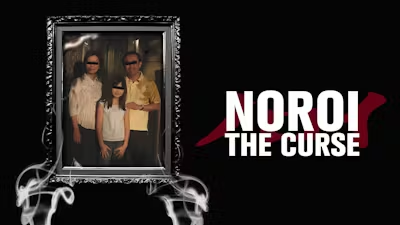
lareddepathways.com – Noroi: The Curse (2005), directed by Kōji Shiraishi, is a groundbreaking Japanese horror film that combines the found footage style with traditional elements of supernatural folklore. This chilling and atmospheric film has gained a cult following for its eerie tone, its disturbing depiction of ancient curses, and its slow-building sense of dread. Noroi is often hailed as one of the best examples of found footage horror, blending a documentary-style narrative with a creeping, existential terror that stays with viewers long after the film ends.

The film’s unique approach to horror—focusing on the gradual uncovering of a terrifying curse—sets it apart from more conventional ghost stories, offering a deeply unsettling experience that feels as much like a real investigation as a work of fiction. The blending of the mundane and the supernatural, along with its intricate narrative structure, makes Noroi a standout entry in the genre of Japanese horror.

Plot Overview: A Paranormal Investigation Into an Ancient Curse

The story of Noroi: The Curse is structured around the investigation of a journalist named Masami, who is trying to unravel the mystery behind a series of increasingly bizarre and unsettling events linked to an ancient curse. The film opens with the sudden and unexplained death of Masami, who is found in her apartment with no clear cause of death. She was investigating a series of disturbing paranormal occurrences involving a curse, and the film follows her journey through various tapes, interviews, and documentation as a way to piece together the events leading up to her tragic end.

The curse itself is tied to a series of interconnected people and events, all centered around an ancient ritual involving a cursed spirit. Masami’s investigation delves deep into the legend of a demonic entity known as the “Kagutaba,” a vengeful spirit that possesses individuals, brings misfortune, and causes death. The curse seems to have originated from a mysterious rural family who were involved in this ancient ritual. Masami uncovers a chilling chain of events linking the cursed family, the mysterious happenings, and her own unfortunate fate.

As the film progresses, Masami’s investigation takes her deeper into the supernatural world, uncovering terrifying secrets. The curse begins to escalate, spreading its influence over everyone involved in the case, ultimately leading to a terrifying and unexpected conclusion. The film’s horror is both psychological and physical, as the curse affects the lives of those who encounter it, spiraling into chaos.

Themes: Curses, Folklore, and the Power of the Unknown

Noroi explores several key themes, primarily centered around curses, ancient rituals, and the terrifying power of the unknown. The film’s foundation is built on the concept of an ancient curse—an invisible, unstoppable force that cannot be avoided or escaped. The curse itself is rooted in Japan’s rich tradition of folklore, where vengeful spirits, or “yūrei,” play a central role in many ghost stories. The film takes inspiration from these tales and amplifies them into something far more disturbing.

The curse in Noroi operates on multiple levels, affecting both the physical world and the spiritual realm. As Masami uncovers more about the ritual and the cursed family, it becomes clear that the entity they are dealing with is far more malevolent and far-reaching than initially expected. The curse seems to transcend time and space, extending its influence to anyone who comes into contact with it, creating a sense of inevitable doom that looms over every character.

At its heart, Noroi is about the unknown. The curse represents an ancient, incomprehensible force that is beyond human understanding or control. As the investigation uncovers more information, the audience realizes that the curse is unstoppable, and the knowledge of it only worsens the situation. This existential horror—the realization that there are forces in the world beyond human comprehension—is a central theme in the film, heightening the sense of terror as the characters get closer to the truth.

Cinematic Style: Found Footage and Documenting Horror

One of the defining aspects of Noroi: The Curse is its use of the found footage format, which gives the film a sense of realism and immediacy that heightens the horror. The film is presented as a documentary, with various videotapes, interviews, and news reports piecing together the investigation into the curse. This format allows the viewer to experience the events from a more personal and intimate perspective, as though they are part of the investigation themselves.

The found footage style helps to blur the line between reality and fiction, creating a sense of unease as viewers are forced to question what is real and what is fabricated. The raw, unpolished footage creates an atmosphere of dread and uncertainty, allowing the supernatural events to feel more plausible and grounded. The film’s slow pacing and meticulous focus on detail allow the horror to build gradually, making the eventual scares all the more effective.

The documentary style also allows the filmmakers to weave together a complex narrative, incorporating multiple perspectives and a variety of sources. By using various materials—such as video recordings, personal testimonies, and even news footage—the film unfolds in a way that feels natural and immersive. The audience is invited to piece together the mystery alongside the characters, leading to a satisfying, though deeply unsettling, climax.

Sound and Atmosphere: A Subtle and Creeping Dread

The atmosphere in Noroi is built through a combination of sound design and visual storytelling. The film’s score is sparse, with much of the tension being created through silence and subtle ambient noises. The lack of overt musical cues makes the supernatural events feel even more unnerving, as there is no comforting soundtrack to guide the audience’s emotions.

The sound design in Noroi is particularly effective in building the sense of unease. The film uses the sounds of nature—wind, creaking doors, and distant voices—interspersed with unsettling moments of supernatural noise, such as whispers and distorted voices. These sounds heighten the horror without relying on jump scares or overtly dramatic effects.

The film’s visuals also contribute to its unsettling tone. The use of handheld cameras and shaky footage gives the sense that the characters are exploring the unknown, amplifying the feeling that the audience is there with them, on the edge of their seats. The environments, whether dark rural villages or eerie suburban homes, are depicted with an air of isolation and menace. These settings serve as perfect backdrops for the unfolding terror, adding to the sense of foreboding that permeates the film.

Legacy and Influence: A Modern Classic of Japanese Horror

Since its release, Noroi: The Curse has become a significant entry in the canon of Japanese horror films, particularly in the found footage subgenre. It is often regarded as a more sophisticated and cerebral example of the genre, one that relies more on atmosphere, tension, and the slow reveal of supernatural elements than on graphic violence or jump scares. This nuanced approach to horror sets Noroi apart from other films in the found footage genre, which can sometimes lean too heavily on gimmicks.

The film has garnered a cult following, particularly among fans of slow-burn horror. Its influence can be seen in later horror films, both within Japan and internationally, that use found footage to explore supernatural themes. The film’s subtle, methodical pacing and its ability to build tension over time have inspired many filmmakers looking to capture the same sense of creeping dread.

In addition to its influence on the horror genre, Noroi has been praised for its intellectual approach to horror. The film presents the supernatural not as something easily understood or conquered, but as an unfathomable force that must be respected. It is this thematic depth, combined with its terrifying moments, that cements Noroi: The Curse as one of the most significant horror films of the 21st century.

Conclusion: A Haunting Exploration of the Unseen

Noroi: The Curse (2005) is a masterful blend of supernatural horror, folklore, and the found footage genre, offering a chilling and unsettling experience that is both deeply atmospheric and intellectually engaging. The film’s slow-building tension, its exploration of an ancient and malevolent curse, and its documentary-style presentation all contribute to making it one of the most memorable and haunting films in Japanese horror.

By focusing on the dread of the unknown and the inevitability of supernatural forces, Noroi crafts a narrative that is as thought-provoking as it is terrifying. Its use of the found footage format creates an immersive experience, while its psychological horror lingers long after the film has ended. For fans of atmospheric horror, Noroi remains an essential and unforgettable film.

Red Beard (1965): A Tale of Compassion, Humanity, & Medicine

lareddepathways.com – Red Beard (1965), directed by Akira Kurosawa, is a profound and compassionate exploration of the human condition set within the world of 19th-century medicine. The film, which marked the end of Kurosawa’s collaborations with his longtime star Toshiro Mifune, is often considered one of his finest works, blending the director’s trademark focus on human morality with an intimate portrayal of the medical profession. With its rich themes of empathy, social justice, and personal growth, Red Beard stands as a crowning achievement in Kurosawa’s illustrious career.

Set in a small, impoverished clinic in Edo (modern-day Tokyo), Red Beard follows the interactions between Dr. Kyojio Niide, known as “Red Beard” (Toshiro Mifune), and his young, idealistic apprentice, Yasumoto (Tatsuya Nakadai). The film’s rich, humanistic themes and Kurosawa’s meticulous direction allow it to transcend the boundaries of the medical drama, offering an exploration of the complexities of compassion, personal growth, and the fight against social injustice.

Plot Overview: A Journey of Transformation

The film opens with Yasumoto, a young and ambitious doctor from a wealthy family, who is sent to work at a rundown clinic in the Edo slums under the stern and seemingly unapproachable Red Beard. Yasumoto is initially frustrated with the conditions and the patients, who are poor and afflicted with various diseases. He harbors an elitist attitude, seeing himself as above the common people he is meant to help. In contrast, Red Beard is a compassionate and humble doctor who dedicates his life to treating the downtrodden, working tirelessly despite the limited resources at his disposal.

The Struggles of Yasumoto

Yasumoto’s early experience at the clinic is marked by his reluctance to engage with the patients. He is shocked by the overwhelming poverty and suffering he witnesses, and he often questions the efficacy of his work. Yasumoto is a man of intellect and ambition, but he lacks the empathy and understanding that Red Beard has developed over years of practice. As the film progresses, Yasumoto begins to change, slowly learning the value of compassion and the difficult realities of serving those in need.

A pivotal moment occurs when Yasumoto encounters a patient named Otoyo (played by the renowned actress, Tatsuya Nakadai). Otoyo, a woman with a tragic past, becomes a symbol of Yasumoto’s evolution as a doctor and as a human being. He begins to understand the deep emotional and psychological wounds that people carry, and through his experiences with patients like Otoyo, he comes to realize that medicine is not just about curing physical ailments, but also about offering solace and understanding to those who suffer.

Red Beard’s Influence

Throughout the film, Red Beard acts as a mentor and guide, imparting wisdom not just about medicine but about the nature of life itself. His quiet, unassuming presence contrasts with Yasumoto’s initial arrogance, and as Yasumoto learns from him, he comes to understand that true healing goes beyond the physical. Red Beard embodies the ideal of selfless service, dedicating his life to alleviating the suffering of the poor and the downtrodden, without ever seeking recognition or reward. He represents the highest ideals of medicine and humanity, constantly pushing Yasumoto to confront his own biases and limitations.

One of the film’s central themes is the idea of redemption and growth. Yasumoto’s journey mirrors a process of spiritual awakening, as he learns to look beyond his own narrow perspective and come to terms with the broader realities of life, death, and suffering. Red Beard, who has long accepted the harshness of life, serves as a mirror for Yasumoto’s own transformation, guiding him towards greater wisdom and compassion.

Themes: Compassion, Humanity, and the Social Struggles

Red Beard is not merely a film about the practice of medicine; it is a powerful exploration of the human condition. Through its characters and narrative, the film grapples with themes of compassion, the value of selfless service, and the struggle against social inequality.

Compassion and the Role of the Healer

The central theme of Red Beard is the idea of compassion in the face of suffering. Red Beard’s practice of medicine is based not just on curing disease but on alleviating the pain and trauma that patients experience. He sees beyond the physical symptoms and connects with his patients on an emotional and psychological level. Through this lens, medicine becomes a holistic practice—one that encompasses the heart as much as the body.

Yasumoto’s transformation is a reflection of this lesson. Initially, he views medicine as a profession of prestige, an avenue to personal success. Over time, he learns that true healing is about understanding the pain of others and responding with kindness and empathy. The film suggests that this sense of compassion and human connection is at the core of what it means to be a doctor, and by extension, what it means to be a truly humane person.

The Struggles of the Poor

Another prominent theme in Red Beard is the contrast between the privileged and the impoverished. The patients in Red Beard’s clinic are primarily from the lower classes, suffering from diseases and ailments that reflect the hardships of their lives. Many of them are treated as little more than objects of charity, but Red Beard sees them as individuals with their own stories, struggles, and dignity. His work reflects a deep commitment to social justice, as he refuses to turn anyone away, regardless of their social status.

This focus on the struggles of the poor is a powerful critique of the inequities inherent in society. Through Red Beard’s eyes, the film illustrates the deep suffering that comes with poverty—both physical and emotional. The film also draws attention to the idea that true healing cannot be achieved without addressing the larger social forces that contribute to inequality and suffering.

The Growth of Yasumoto

Yasumoto’s journey is one of personal growth and moral awakening. Initially, he is self-centered, focused on his own status and ambitions. His time at the clinic, under Red Beard’s mentorship, forces him to confront the limitations of his previous worldview. He learns that being a doctor is not just about intellect or skill, but about humility, patience, and the willingness to serve others. The relationship between Yasumoto and Red Beard forms the emotional core of the film, as Yasumoto’s transformation mirrors the broader moral lessons of the story.

Cinematic Style: Kurosawa’s Direction and Visual Mastery

Kurosawa’s direction in Red Beard is marked by his meticulous attention to detail and his ability to balance intimate character moments with grand social themes. The film is visually stunning, featuring long takes, intricate compositions, and sweeping shots that highlight the natural beauty of the Edo setting. The use of light and shadow creates a sense of depth and intimacy, especially in scenes where Red Beard and Yasumoto interact with patients.

The performances, particularly by Toshiro Mifune as Red Beard and Tatsuya Nakadai as Yasumoto, are exceptional. Mifune delivers one of his most nuanced performances, portraying Red Beard as a figure of wisdom, compassion, and quiet strength. Nakadai’s portrayal of Yasumoto captures the character’s evolution from arrogance to humility with subtlety and depth. Together, the two actors create a dynamic that is both emotionally powerful and narratively compelling.

The film’s cinematography, handled by Kazuo Miyagawa, is a work of art in itself. The visual design reflects the emotional and social themes of the film, using the contrast between light and dark to underscore the tension between compassion and cruelty, and between the rich and the poor. The carefully crafted sets and costumes enhance the authenticity of the historical period, grounding the story in a specific time while allowing its themes to resonate on a universal level.

Legacy and Influence: A Film for All Generations

Red Beard remains one of Kurosawa’s most enduring films, praised for its compassionate portrayal of human suffering and its profound moral lessons. It is a film that transcends its setting and period, offering timeless insights into the nature of healing, empathy, and personal growth. The film’s influence extends far beyond Japan, having inspired filmmakers and audiences around the world with its universal themes and powerful performances.

Kurosawa’s ability to blend social commentary with intimate, character-driven storytelling ensures that Red Beard continues to be relevant to modern viewers. Its exploration of the tension between the individual and society, as well as the transformative power of compassion, resonates just as strongly today as it did in 1965.

Conclusion: A Testament to Humanity and Compassion

Red Beard (1965) is a masterful film that explores the depths of human compassion, social injustice, and personal redemption. Akira Kurosawa’s final collaboration with Toshiro Mifune is both a poignant examination of the medical profession and a profound meditation on the nature of humanity. With its rich themes, stunning visuals, and unforgettable performances, Red Beard stands as one of the greatest achievements in world cinema, offering a timeless reminder of the power of compassion and the potential for transformation in the face of suffering.

Sword of Doom (1966): A Dark Tale of Honor & Corruption

lareddepathways.com – Sword of Doom (1966), directed by Kihachi Okamoto, is a dark and brooding samurai film that delves into themes of moral decay, personal torment, and the destructive consequences of unchecked violence. Based on the novel Ryozanpaku by Kaizan Nakazato, the film presents a unique take on the samurai genre, blending action with psychological depth. Renowned for its stark portrayal of a troubled protagonist and its powerful visuals, Sword of Doom remains a significant entry in the world of Japanese cinema, influencing later films in the genre.

The film stars Tatsuya Nakadai as the complex and morally ambiguous protagonist, Ryunosuke Tsukue, whose journey through violence and internal conflict forms the heart of the narrative. Unlike many samurai films, Sword of Doom is less concerned with heroic ideals and more focused on the personal destruction of its lead character, making it a unique and compelling story within the samurai tradition.

Plot Overview

Set during the late Edo period, Sword of Doom follows Ryunosuke Tsukue, a masterless samurai (ronin) known for his exceptional skill with a sword and his cold, ruthless demeanor. Ryunosuke is not a typical samurai hero, but rather a deeply troubled man who becomes consumed by his own inner darkness. His story begins with a brutal act of violence: he kills a fellow samurai in a moment of rage and then continues his downward spiral, taking on more and more assignments that require him to kill without remorse.

Despite his impressive skills, Ryunosuke is a man tortured by his own psyche. His inability to connect with others, his violent tendencies, and his personal demons cause him to spiral into a life of isolation and despair. Throughout the film, Ryunosuke’s path is marked by increasingly senseless violence, and his encounters with other characters—ranging from fellow warriors to innocent bystanders—only serve to highlight his moral disintegration.

The plot takes a significant turn when Ryunosuke becomes entangled with the warlord Kiyokawa (played by Tetsuro Tamba), who commissions him for a deadly mission. Alongside Kiyokawa’s men, Ryunosuke embarks on a campaign of bloodshed and treachery. His increasing sense of disillusionment, compounded by his violent actions, leads him to make a final, inevitable confrontation with his own fate.

The narrative structure of Sword of Doom is a complex one, as it weaves together Ryunosuke’s personal struggles with larger historical and social themes. As his life spirals out of control, the film explores his inability to reconcile his actions with any sense of honor or redemption, making his journey both tragic and inevitable.

Themes: Honor, Moral Corruption, and Existential Despair

The Destructive Nature of Violence

At its core, Sword of Doom is a meditation on the destructive nature of violence, both on a personal and societal level. Ryunosuke’s character embodies the theme of unchecked aggression: he is a man whose exceptional skills with a sword make him both feared and isolated, but his inability to control his violent impulses leads to his moral and emotional downfall. Throughout the film, Ryunosuke’s violence is portrayed not as a heroic act, but as a manifestation of his internal chaos. His killings are not motivated by a sense of honor or duty, but rather by a deep, inescapable anger and emptiness.

The film contrasts Ryunosuke’s relentless bloodlust with the consequences of his actions, which affect not only his victims but also his own psyche. His inability to form meaningful relationships and his constant descent into violence suggest that true honor cannot be attained through brutality alone. Instead, the film critiques the samurai code itself, showing how it can be distorted into a justification for senseless bloodshed, leaving the protagonist hollow and lost.

Existential Despair and Moral Corruption

Another central theme in Sword of Doom is existential despair. Ryunosuke is a character trapped by his own lack of purpose and meaning in life. He struggles with the philosophical question of whether there is any inherent worth in human life, a notion that ultimately leads him down a path of moral corruption. Ryunosuke’s inner conflict is depicted as a battle between his desire for power and control through violence and his eventual recognition of the emptiness of his existence.

The film explores the idea that the samurai code of honor, when followed too rigidly and without introspection, can become a path to self-destruction. Ryunosuke, who is initially presented as a man of extraordinary skill, becomes increasingly unmoored from any sense of moral grounding, eventually surrendering to his darker impulses. His life is marked by an absence of clear ideals, leading him to view others as mere tools for his violent ends.

This theme of moral corruption is also embodied in other characters, who serve as foils to Ryunosuke’s decline. Through these interactions, the film highlights the destructive effect of a culture that places too much emphasis on outward honor and warrior status, without offering a deeper sense of purpose or understanding of the human condition.

The Inevitable Decline of the Samurai

In addition to exploring Ryunosuke’s personal journey, Sword of Doom is a reflection on the decline of the samurai class during the late Edo period. As the film progresses, it becomes clear that the samurai, once revered for their skill and honor, are increasingly out of step with a changing world. The political and social landscape of Japan is shifting, and the samurai, symbolized by Ryunosuke and other characters, are becoming relics of a bygone era.

Ryunosuke’s inability to adapt to this change highlights the fragility of the samurai ideal in the face of modernity. His violent actions, while rooted in tradition, are disconnected from the social and moral structures that once gave the samurai code meaning. This sense of disillusionment and decay permeates the film, contributing to its overall tone of existential malaise.

Cinematic Style and Visuals

Kihachi Okamoto’s direction in Sword of Doom is marked by a sense of brooding atmosphere and psychological depth. The film utilizes a minimalist approach, focusing on the inner turmoil of its characters rather than grandiose action sequences. While the film features impressive sword fighting and brutal action, these moments are not simply for spectacle; they are an expression of the protagonist’s inner conflict and moral decay.

Visually, Sword of Doom is striking in its use of shadow and light, reflecting the darkness that permeates Ryunosuke’s soul. The film’s cinematography, handled by Fujio Morita, often uses high-contrast lighting and long, meditative shots to create a sense of isolation and tension. The stark landscapes and sparse settings reinforce the idea of a man adrift, struggling to find meaning in a world that no longer has a place for him.

The film’s action sequences, particularly the sword fights, are intense and visceral, with a raw, unpolished style that reflects the brutality of the violence. Unlike many samurai films of the era, which often emphasize the grace and beauty of swordsmanship, Sword of Doom portrays combat as chaotic, violent, and ultimately destructive.

Reception and Legacy

Upon its release, Sword of Doom was met with critical acclaim for its complex character study, intense action, and dark atmosphere. The film has since gained a reputation as one of the most thought-provoking and existentially intense samurai films ever made. While it may not be as well-known internationally as some other samurai epics, Sword of Doom has earned a dedicated following among cinephiles and fans of the genre.

Tatsuya Nakadai’s performance as Ryunosuke is widely regarded as one of his finest, with his portrayal of a man tortured by his own actions and spiraling into madness being both haunting and tragic. The film’s exploration of the psychological toll of violence and the moral decay of the protagonist has made it a standout in the samurai genre, distinguishing it from more conventional portrayals of honor and heroism.

The film also stands as a reflection of the changing attitudes in Japan during the 1960s, a time when traditional notions of honor and duty were being questioned in light of societal and political changes. Sword of Doom thus serves as both a critique of the samurai code and a meditation on the personal consequences of living by it without true introspection.

Conclusion

Sword of Doom (1966) is a dark and powerful samurai film that explores the inner turmoil, moral corruption, and existential despair of its central character. Through the story of Ryunosuke Tsukue, the film offers a sobering critique of the samurai code and the consequences of violence when divorced from honor and meaning. Kihachi Okamoto’s masterful direction, combined with Tatsuya Nakadai’s gripping performance, makes Sword of Doom a timeless and thought-provoking entry in the samurai genre, offering a unique perspective on the internal battles that define the human condition.

The Stepford Wives (1975): A Examination of Gender & Control

lareddepathways.com – The Stepford Wives (1975), directed by Bryan Forbes, is a suspenseful and thought-provoking thriller that explores themes of gender roles, control, and the dark side of suburban life. Based on the novel by Ira Levin, the film tells the story of Joanna Eberhart (Katharine Ross), who moves with her husband to the idyllic suburban town of Stepford, only to discover a sinister and unsettling secret about the seemingly perfect wives in the community. In this eerie tale of conformity, Bobbie Markowe, portrayed by [insert actress’s name], plays a crucial role as one of the Stepford wives, adding to the film’s exploration of the tension between individuality and societal expectations.

Plot Overview: A Sinister Suburbia

Joanna Eberhart and her family relocate to the picturesque town of Stepford, hoping for a fresh start. However, after settling in, Joanna begins to notice that something is amiss with the women of Stepford. The wives appear unnervingly perfect, seemingly focused solely on their homes and husbands, with no signs of independent thought or emotion. Joanna’s suspicions grow as she befriends Bobbie Markowe (played by [insert actress’s name]), a resident of the town, who also begins to question the strange behavior of the other women.

As Joanna investigates further, she uncovers a terrifying conspiracy— the wives of Stepford are being replaced by robotic, docile versions of themselves, devoid of personality and free will. Bobbie, like the other wives, seems initially unaware of her transformation. Her role in the story provides a poignant commentary on the loss of personal agency and the terrifying power of conformity in a society that values idealized domesticity.

Bobbie Markowe: The Stepford Wife as a Symbol of Conformity

Bobbie Markowe is one of the key figures in the story who represents the oppressive and dehumanizing force at work in Stepford. As a Stepford wife, she embodies the film’s exploration of the idealized image of women in suburban America— caring, nurturing, and entirely devoted to their husbands and homes. Initially, Bobbie appears to be just another perfect wife, but as the film progresses, her character becomes a symbol of the dangers of blindly adhering to societal norms and expectations.

Bobbie’s transformation into a Stepford wife is gradual, and her role in the story serves as a chilling reminder of the price of conformity. Her previous self, filled with independent thoughts and desires, is slowly replaced by a robotic and passive version of herself, devoid of autonomy. This transformation is one of the central horror elements of the film, as it reflects the terrifying consequences of societal pressures to conform to an idealized image of womanhood.

Bobbie’s relationship with Joanna is central to the plot. As Joanna becomes more suspicious of the strange behavior in Stepford, she confides in Bobbie, hoping to find a kindred spirit who shares her concerns. However, Bobbie’s gradual change begins to distance her from Joanna, making the horror of her transformation all the more real and heartbreaking. Bobbie, once a confidante, becomes another example of the chilling loss of individuality that pervades Stepford.

Themes of Gender, Power, and Control

The Stepford Wives is a powerful critique of the societal expectations placed on women in the 1950s and 1960s, particularly in the context of suburban America. The film paints a disturbing picture of the lengths to which some people will go to enforce traditional gender roles and suppress any signs of independence or rebellion. Bobbie Markowe’s character represents this broader theme of control—she is a woman whose identity is slowly erased in favor of a robotic, subservient role.

Bobbie’s character highlights the film’s feminist themes, as it examines the ways in which women are conditioned to fulfill the roles society has set for them. In Stepford, the wives are not just expected to be beautiful and perfect; they are expected to be submissive and devoid of desires beyond those of their husbands. The horror of Bobbie’s transformation lies in the way her personal agency is systematically stripped away, turning her into a mere vessel of patriarchal expectations.

The film’s portrayal of the Stepford wives serves as a commentary on the dehumanizing effects of societal pressures, particularly for women. Bobbie Markowe’s transformation is a metaphor for the loss of self that many women experience in a world that demands conformity to rigid gender roles. Through her character, the film exposes the dangers of a society that values surface perfection over individuality and free will.

The Fear of the Perfect Wife: An Allegory for the 1970s

Released during the early 1970s, The Stepford Wives taps into the era’s growing concerns about the role of women in society, particularly in the wake of the feminist movement. As women began to challenge traditional gender roles and fight for equality, The Stepford Wives presents a dystopian vision of a society where women have been stripped of their autonomy and individuality in favor of an idealized, submissive role.

Bobbie Markowe’s character reflects this fear of the perfect wife and mother, a woman who exists solely to fulfill the needs of her husband and children. The Stepford wives are not real women, but rather, they are an exaggerated representation of the societal pressure to conform to the idealized image of womanhood. Bobbie’s role in the film underscores the dangers of a society that imposes rigid standards on women, stripping them of their identities in the process.

The Psychological Horror of The Stepford Wives

While The Stepford Wives is often categorized as a horror film, its true terror lies not in supernatural elements but in the psychological horror of conformity and control. Bobbie’s transformation into a Stepford wife is a metaphor for the loss of personal freedom and the erasure of individuality, making her one of the film’s most poignant and disturbing characters. The horror is not just in the robotic, docile wives, but in the idea that they represent the ways in which society can suppress and control those who do not fit its idealized image.

Bobbie’s role in the film forces the audience to confront uncomfortable truths about the pressures placed on women to conform to societal expectations. The transformation of Bobbie into a Stepford wife is a visual and emotional representation of the ways in which women can be reduced to mere objects of domesticity, their desires and identities erased in favor of a singular, controlling vision of femininity.

Conclusion

The Stepford Wives (1975) remains a chilling exploration of gender, control, and the consequences of societal expectations. Bobbie Markowe’s character plays a pivotal role in the film, embodying the psychological horror of a world where women’s identities are erased in favor of conformity. Her gradual transformation into a Stepford wife serves as a powerful metaphor for the dehumanizing effects of societal pressures and the loss of personal agency. Through Bobbie’s character, The Stepford Wives critiques the rigid gender roles that limit women’s freedom, making it a timeless and relevant commentary on the dangers of perfectionism and control in both personal and societal contexts.

The Girl with a Pistol: A Journey of Revenge and Transformation

lareddepathways.com – The Girl with a Pistol (1968) is a delightful Italian comedy-drama that blends elements of satire, romance, and social commentary. Directed by Mario Monicelli, the film stars the iconic Monica Vitti in a role that showcases her comedic talent and dramatic range. The movie tells the story of Assunta Patanè, a young Sicilian woman who travels to London with a pistol, determined to kill her former lover who has wronged her.   

A Fish-Out-of-Water Comedy

The film’s humor stems from the cultural clash between Assunta’s naive and provincial background and the sophisticated, cosmopolitan world of London. As she navigates the unfamiliar streets of the city, she encounters a series of eccentric characters and hilarious situations. Her attempts to blend in with the British high society, while still harboring her murderous intentions, provide ample opportunities for comedic moments.   

A Feminist Undercurrent

Beneath its comedic surface, The Girl with a Pistol explores themes of female empowerment and independence. Assunta’s journey from a victimized woman to a confident and resourceful individual is a testament to the film’s feminist undercurrents. Her transformation from a simple country girl to a stylish and sophisticated woman reflects the changing roles of women in society during the 1960s.   

Monica Vitti’s Stellar Performance

Monica Vitti’s performance as Assunta is a tour de force. She effortlessly captures the character’s naivety, determination, and vulnerability. Her comedic timing is impeccable, and her dramatic moments are poignant and heartfelt. Vitti’s portrayal of Assunta has become one of her most memorable roles, solidifying her status as one of Italian cinema’s greatest actresses.

A Timeless Classic

Despite being released over five decades ago, The Girl with a Pistol remains a timeless classic. Its blend of humor, drama, and social commentary continues to resonate with audiences today. The film’s witty dialogue, memorable characters, and stunning cinematography make it a must-watch for fans of Italian cinema and lovers of quirky comedies.

A Cultural Phenomenon

Upon its release, The Girl with a Pistol became a cultural phenomenon in Italy. It was a box office success and received critical acclaim for its innovative storytelling and strong performances. The film’s popularity helped to establish Monica Vitti as a major international star and cemented Mario Monicelli’s reputation as one of Italy’s leading filmmakers.   

A Legacy of Laughter and Insight

The Girl with a Pistol is more than just a comedy; it is a poignant exploration of love, loss, and the human condition. The film’s enduring appeal lies in its ability to entertain and provoke thought. It is a testament to the power of cinema to transcend cultural boundaries and touch the hearts of audiences around the world.

In Conclusion

The Girl with a Pistol is a delightful and thought-provoking film that continues to captivate audiences. Its unique blend of humor, drama, and social commentary makes it a timeless classic. Monica Vitti’s iconic performance as Assunta is a testament to her talent and versatility. Whether you’re a fan of Italian cinema or simply looking for a good laugh, The Girl with a Pistol is a must-watch.

Always: A Tale of Devotion and Unwavering Love

lareddepathways.com – “Always” (오직 그대만, Ojik Geudae-man, literally “Only You”), a 2011 South Korean romantic drama film directed by Song Il-gon, tells a poignant story of love, sacrifice, and redemption between a former boxer and a blind woman. Starring So Ji-sub and Han Hyo-joo, the film explores the depths of human connection and the lengths people will go to for those they love.

A Chance Encounter and a Budding Romance

The film begins with the chance meeting of Cheol-min (So Ji-sub), a stoic and reserved former boxer with a troubled past, and Jung-hwa (Han Hyo-joo), a cheerful and optimistic blind woman who works as a telemarketer. Their initial interactions are brief but impactful, with Cheol-min drawn to Jung-hwa’s infectious positivity and resilience.

Cheol-min takes a job as a parking attendant at the same parking lot where Jung-hwa works, allowing their relationship to gradually develop. He becomes her protector and companion, accompanying her to and from work, sharing meals, and simply enjoying each other’s company. Their bond deepens as they find solace and comfort in each other’s presence.

A Tragic Incident and a Promise of Protection

A tragic incident occurs when Jung-hwa is involved in a car accident that leaves her vision permanently impaired. Cheol-min, feeling responsible for not being there to protect her, is consumed by guilt and vows to do everything in his power to help her.

This event marks a turning point in their relationship, with Cheol-min dedicating himself entirely to Jung-hwa’s well-being. He takes on various dangerous jobs, including underground fighting, to earn money for her medical expenses and to provide her with a better life.

Sacrifice and Redemption

Cheol-min’s sacrifices for Jung-hwa form the emotional core of the film. He endures physical and emotional hardship to ensure her happiness, putting her needs above his own. His actions are driven by a deep sense of love and a desire to atone for his past mistakes.

Jung-hwa, unaware of the extent of Cheol-min’s sacrifices, continues to cherish his presence in her life. She brings light and joy into his world, offering him a sense of purpose and redemption.

Themes of Love, Sacrifice, and Forgiveness

“Always” explores several powerful themes:

  • Unconditional Love: The film portrays a love that is selfless and unwavering, characterized by sacrifice and devotion. Cheol-min’s love for Jung-hwa transcends personal gain and is rooted in a deep desire to protect and care for her.
  • Sacrifice and Redemption: Cheol-min’s journey is one of redemption, as he seeks to atone for his past through his selfless acts. His sacrifices for Jung-hwa offer him a path towards healing and finding meaning in his life.
  • Resilience and Hope: Despite the challenges they face, both Cheol-min and Jung-hwa demonstrate resilience and maintain a sense of hope. Their love for each other provides them with the strength to overcome adversity.
  • The Power of Human Connection: The film highlights the importance of human connection and the profound impact that one person can have on another’s life.

A Heartfelt and Emotional Melodrama

“Always” is a deeply emotional and moving film that explores the complexities of love and sacrifice. The performances of So Ji-sub and Han Hyo-joo are captivating, bringing depth and sincerity to their characters. The film’s poignant story and powerful message have resonated with audiences, making it a beloved Korean melodrama. It serves as a reminder of the enduring power of love and the lengths people will go to for those they cherish.

Gonjiam – Haunted Asylum: A Found Footage Horror Experience

lareddepathways.com – Gonjiam: Haunted Asylum (곤지암; Gonjiam) is a 2018 South Korean found footage horror film directed by Jung Bum-shik. The film draws inspiration from the real-life Gonjiam Psychiatric Hospital, a now-abandoned building that has become a popular subject of urban legends and ghost stories in South Korea. Gonjiam capitalizes on this existing lore, creating a chilling and immersive horror experience for viewers.   

A YouTube Horror Crew Ventures into the Unknown

The film follows a group of seven internet broadcasters who run a horror-themed YouTube channel called “Horror Times.” Seeking to boost their viewership and create a truly terrifying live stream, they decide to explore the infamous Gonjiam Psychiatric Hospital. They plan to enter the supposedly haunted building and broadcast their experiences live to their online audience.

Setting the Stage for Terror: Gonjiam’s Dark History

The film effectively establishes the ominous history of Gonjiam Psychiatric Hospital. Rumors and local legends paint a grim picture of the institution, with stories of patient mistreatment, unexplained deaths, and paranormal activity. This pre-existing lore adds a layer of authenticity and dread to the film, making the setting itself a character in the story.

Found Footage Format: Enhancing the Immersion

Gonjiam utilizes the found footage format, meaning the film is presented as if it were recorded by the characters themselves. This technique creates a sense of immediacy and realism, drawing the viewer into the characters’ experiences. The use of multiple camera perspectives, including body cameras, static cameras, and drone footage, further enhances the immersive quality of the film.   

Building Suspense and Delivering Scares

The film effectively builds suspense as the group explores the darkened corridors and decaying rooms of the abandoned hospital. The initial exploration is filled with nervous excitement and playful banter, but as they delve deeper into the building, strange occurrences begin to manifest. The film delivers a mix of jump scares, atmospheric tension, and unsettling imagery, creating a consistently chilling atmosphere.   

A Descent into Madness and Fear

As the night progresses, the group’s carefully planned live stream descends into chaos. They encounter increasingly disturbing phenomena, and their fear escalates as they realize they may not be alone in the hospital. The film captures the characters’ growing panic and desperation as they try to escape the terrifying forces they have awakened.

A Popular and Effective Horror Film

Gonjiam: Haunted Asylum was a commercial success in South Korea, attracting a large audience and generating significant buzz online. Its effective use of the found footage format, combined with the existing lore surrounding Gonjiam, resonated with viewers seeking a genuine horror experience.

The Million Eyes of Sumuru: A Campy Spy Thriller

lareddepathways.com – Released in 1967, The Million Eyes of Sumuru is a campy spy thriller that offers a unique blend of action, intrigue, and over-the-top villainy. Produced by Harry Alan Towers and directed by Lindsay Shonteff, the film is a colorful and stylish adventure that draws inspiration from the classic spy thrillers of the 1960s.   

A Villainous Femme Fatale

The film’s central antagonist is Sumuru, a beautiful and deadly woman played by Shirley Eaton. Sumuru leads a secret organization of female assassins known as “The Million Eyes,” who aim to overthrow world governments and establish a matriarchal society. Her plan involves eliminating male leaders and replacing them with female operatives.   

A Mismatched Duo of Heroes

To thwart Sumuru’s evil plan, two American agents, Nick West (George Nader) and Tommy Carter (Frankie Avalon), are tasked with infiltrating her organization. The duo, though initially at odds, must learn to work together to save the world. Their contrasting personalities and comedic banter provide a lighthearted element to the film.   

A Colorful and Stylized World

The Million Eyes of Sumuru is visually striking, with vibrant colors, exotic locations, and stylish costumes. The film’s production design is particularly impressive, with elaborate sets and attention to detail. The film’s soundtrack, composed by Malcolm Williamson, adds to its overall atmosphere.

A Cult Classic

While The Million Eyes of Sumuru may not be a critical darling, it has developed a cult following over the years. Its campy tone, over-the-top performances, and colorful visuals have made it a beloved film among fans of B-movies and cult cinema. The film’s enduring popularity is a testament to its unique charm and its place in the history of spy thrillers.   

Conclusion

The Million Eyes of Sumuru is a fun and entertaining film that offers a nostalgic trip back to the swinging sixties. Its blend of action, humor, and style makes it a must-watch for fans of classic spy thrillers and campy cinema. Whether you’re a seasoned fan of the genre or a newcomer, this film is sure to provide plenty of laughs and thrills.

Hired to Kill: Tale of Revenge – Classic of Italian Crime Cinema

lareddepathways.com – Released in 1972, Hired to Kill (also known as The Italian Connection) is a gritty and violent Italian crime film directed by Fernando Di Leo. This neo-noir thriller is considered a cult classic and a standout in the Poliziottesco genre, known for its gritty realism, complex characters, and morally ambiguous protagonists.

A Web of Deception and Betrayal

The film follows the story of Luca Canali, a low-level pimp in Milan who is framed for a large-scale heroin theft. As a result of this false accusation, his wife and daughter are brutally murdered, leaving him devastated and seeking revenge.   

Canali embarks on a relentless pursuit of those responsible for the crime. He navigates a treacherous underworld filled with corrupt police officers, ruthless gangsters, and double-crossing informants. As he delves deeper into the criminal underworld, he becomes entangled in a web of deception and betrayal.

A Stylistic Masterpiece

Hired to Kill is renowned for its stylish direction and its gritty portrayal of urban crime. The film’s cinematography is dark and atmospheric, capturing the seedy underbelly of Milan. The score, composed by Riz Ortolani, adds to the film’s tense and suspenseful atmosphere.

The film’s ensemble cast delivers strong performances, with Mario Adorf shining as the determined and vengeful protagonist. The supporting cast includes notable actors such as Henry Silva, Woody Strode, Adolfo Celi, and Luciana Paluzzi.   

A Timeless Classic

Hired to Kill is a timeless classic that continues to captivate audiences with its complex plot, morally ambiguous characters, and stylish visuals. The film’s exploration of themes of corruption, betrayal, and the consequences of violence remains relevant today.

Some Kind of a Nut: A Quirky Comedy of Conformity

lareddepathways.com – Some Kind of a Nut (1969) is a quirky comedy that takes a satirical look at the nature of conformity and individuality. Directed by Garson Kanin, the film stars Dick Van Dyke as Fred Amidon, a mild-mannered bank teller whose life takes an unexpected turn when he develops a rash from a bee sting.

A Simple Rashes Leads to Chaos

To cover the rash, Fred grows a beard, a seemingly insignificant act that sends shockwaves through his conservative workplace. Suddenly, he’s seen as a rebel, a nonconformist who challenges the status quo. His colleagues, once indifferent, now rally behind him, eager to embrace his newfound individuality.

Angie Dickinson as the Supportive Wife

Angie Dickinson portrays Rachel Amidon, Fred’s understanding and supportive wife. Despite the chaos that ensues, Rachel remains steadfast in her love for Fred and encourages him to embrace his newfound identity.

A Satirical Look at Corporate Culture

Some Kind of a Nut is a satirical commentary on the rigid and often absurd nature of corporate culture. The film highlights the importance of individuality and the dangers of conformity. It’s a lighthearted and humorous take on a serious topic, making it a timeless classic.

A Forgotten Gem

While Some Kind of a Nut may not be as well-known as some of Dick Van Dyke’s other films, it’s a hidden gem that deserves recognition. Its witty dialogue, clever humor, and heartwarming message make it a delightful watch. The film’s exploration of themes such as individuality, conformity, and the power of human connection continues to resonate with audiences today.

Operation Dumbo Drop (1995) – Cast and Characters

lareddepathways.com – “Operation Dumbo Drop” is a 1995 American family adventure-comedy film that blends humor, heart, and a touch of military action. Directed by Simon Wincer, the film is inspired by a true story and offers a lighthearted yet heartfelt portrayal of a unique Vietnam War mission involving an elephant.

Plot Overview

Set in 1968 during the Vietnam War, “Operation Dumbo Drop” follows a group of U.S. Army officers on a mission to transport an elephant across the country to a remote village. The village’s elephant, a vital part of their culture, has been killed, and the soldiers must replace it to maintain the villagers’ support and cooperation. The film chronicles the various challenges and comedic misadventures faced by the soldiers as they attempt to fulfill this unusual mission.

Cast and Characters

The film features a talented ensemble cast, including Danny Glover as Captain Sam Cahill, Ray Liotta as Captain T.C. Doyle, and Denis Leary as Chief Warrant Officer David Poole. Each character brings their own quirks and strengths to the mission, contributing to the film’s comedic and dramatic elements. The elephant, affectionately named Bo Tat, plays a central role in the story, adding to the film’s charm and appeal.

Themes and Analysis

“Operation Dumbo Drop” explores themes of teamwork, cultural understanding, and the absurdities of war. The film highlights the unlikely bonds formed between the soldiers and the Vietnamese villagers, emphasizing the importance of empathy and cooperation in overcoming obstacles. The mission’s unconventional nature serves as a backdrop for comedic moments, while also providing a commentary on the often-surreal aspects of military life during wartime.

Reception and Legacy

Upon its release, “Operation Dumbo Drop” received mixed reviews from critics, with praise for its family-friendly content and performances, but some criticism for its blend of comedy and war themes. Despite this, the film has found a niche audience who appreciate its unique premise and light-hearted approach to a wartime story. Its mix of humor, adventure, and heartwarming moments has made it a memorable entry in the family adventure genre.

Conclusion

“Operation Dumbo Drop” remains an entertaining and endearing film that offers a unique take on the Vietnam War experience. With its blend of comedy, adventure, and heartfelt storytelling, the film continues to resonate with audiences who enjoy stories of unlikely friendships and out-of-the-ordinary missions. Its portrayal of cross-cultural understanding and the importance of kindness and cooperation makes it a timeless family favorite.

SuckSeed (2011): A Musical Journey of Friendship and Dreams

lareddepathways.com – “SuckSeed” is a 2011 Thai musical comedy film that explores the themes of friendship, adolescence, and the pursuit of dreams through the lens of music. Directed by Chayanop Boonprakob, the film stars Jirayu La-ongmanee, Pachara Chirathivat, and Nattasha Nauljam. With its unique blend of humor, drama, and music, “SuckSeed” has captivated audiences and become a beloved coming-of-age story.

Plot Summary

The film follows the story of Ped, a shy and introverted high school student who has never been interested in music until he is introduced to the world of pop and rock by his childhood crush, Ern. When Ern moves away, Ped is heartbroken, but his life takes a turn when she returns during their high school years. Inspired by Ern’s passion for music, Ped, along with his friends Koong and Ex, decides to form a rock band, ambitiously named SuckSeed.

The Struggles of Aspiring Musicians

The trio embarks on a journey to compete in a music competition called “Hotwave,” despite having little talent and experience. Their quest is filled with humorous mishaps, heartwarming moments, and the inevitable challenges that come with pursuing a dream. The film captures the essence of teenage aspirations and the struggles of balancing friendships, love, and ambition.

Character Dynamics

Each character in “SuckSeed” brings a unique flavor to the story. Ped is the timid protagonist who evolves throughout the film, discovering his own voice and confidence. Koong, played by Pachara Chirathivat, is the ambitious yet impulsive friend whose determination often leads to comedic situations. Ern, portrayed by Nattasha Nauljam, is the muse and catalyst for the boys’ musical journey, adding depth to the storyline with her own personal struggles.

Themes of Friendship and Growth

At its core, “SuckSeed” is a celebration of friendship and personal growth. The film delves into the complexities of teenage relationships and the importance of support and camaraderie. Through their shared passion for music, Ped, Koong, and Ex learn valuable life lessons about perseverance, self-discovery, and the true meaning of success.

Conclusion

“SuckSeed” is more than just a musical comedy; it is a heartfelt exploration of youth, dreams, and the transformative power of music. With its relatable characters and engaging narrative, the film resonates with audiences of all ages, reminding us that sometimes we must “suck” before we succeed.

Keluarga Tak Kasat Mata (2017): Supernatural Intrigue

lareddepathways.com – “Keluarga Tak Kasat Mata” is a 2017 Indonesian horror film directed by Hedy Suryawan. Based on a popular online story by Bonaventura Genta, the movie offers a chilling exploration of supernatural occurrences within a family setting. The film combines elements of traditional Indonesian horror with modern storytelling, creating a gripping narrative that has captivated audiences.

Plot Summary

The story follows Genta, a young man who moves to Yogyakarta for work and encounters a series of strange and unsettling events at his new office. As Genta and his colleagues experience inexplicable phenomena, they uncover the dark history of the building, which is haunted by the presence of a mysterious and invisible family. The film unravels the secrets behind these spectral figures and their connection to the location, blending suspense and mystery with supernatural elements.

Themes and Symbolism

“Keluarga Tak Kasat Mata” delves into themes of fear, the unknown, and the impact of past traumas on the present. The invisible family serves as a metaphor for unresolved issues and hidden truths that linger beneath the surface. The film explores how these unseen forces can affect individuals’ lives and relationships, emphasizing the importance of confronting and understanding one’s fears.

Cinematic Techniques

The film employs a variety of cinematic techniques to create an atmosphere of tension and suspense. The use of eerie sound design, dim lighting, and strategic camera angles enhances the sense of unease and keeps viewers on edge. The film’s visual and auditory elements work together to immerse the audience in the haunting world of the invisible family, making for a compelling horror experience.

Reception and Impact

“Keluarga Tak Kasat Mata” received a mixed response from audiences and critics. While some praised its intriguing storyline and effective horror elements, others felt that certain aspects of the plot could have been more developed. Nonetheless, the film succeeded in bringing a popular online story to the big screen, expanding its reach and contributing to the Indonesian horror genre.

Conclusion

“Keluarga Tak Kasat Mata” is a notable entry in Indonesian horror cinema, offering a unique blend of supernatural intrigue and psychological drama. Through its exploration of unseen forces and hidden fears, the film invites viewers to question the boundaries between reality and the supernatural. Despite mixed reviews, it remains a fascinating piece for fans of the genre and those interested in the intersection of traditional and modern storytelling in Indonesian film.

The Face of Another (1966): An Exploration of Identity & Alienation

lareddepathways.com – “The Face of Another” (1966) is a thought-provoking Japanese film directed by Hiroshi Teshigahara. Based on the novel by Kōbō Abe, it is a compelling exploration of identity, alienation, and the human psyche. This cinematic work challenges the audience to reflect on the nature of self and the masks people wear in society.

Plot Overview

Setting and Characters

The film follows the story of Mr. Okuyama, portrayed by Tatsuya Nakadai, a man disfigured in an industrial accident. With his face severely burned, Okuyama becomes estranged from society and his own identity. The plot thickens as he consults with a psychiatrist, played by Mikijirô Hira, who offers him an opportunity to wear a lifelike mask that restores his appearance.

Storyline

As Okuyama dons this new face, he embarks on a journey to rediscover himself. However, the mask brings unexpected consequences, blurring the lines between his true self and the persona he projects. The film delves into Okuyama’s interactions with his wife, played by Machiko Kyō, and how the mask affects their relationship, exploring themes of deception and self-perception.

Themes and Analysis

Identity and Transformation

“The Face of Another” is a profound examination of identity. It questions whether physical appearance defines who we are and explores the transformative power of anonymity. Okuyama’s journey illustrates how altering one’s appearance can lead to a shift in behavior and self-awareness.

Alienation and Society

The film also tackles the theme of alienation. Okuyama’s disfigurement isolates him from society, highlighting how physical differences can lead to social ostracism. His experiences with the mask serve as a metaphor for the masks we all wear to conform to societal norms, raising questions about authenticity and acceptance.

Cinematic Techniques

Direction and Visual Style

Hiroshi Teshigahara’s direction is notable for its surreal and avant-garde style. The film’s visual aesthetics, combined with Tôru Takemitsu’s haunting score, create an unsettling atmosphere that mirrors Okuyama’s inner turmoil. The use of stark imagery and symbolic elements enhances the narrative’s psychological depth.

Performances

Tatsuya Nakadai delivers a powerful performance as Mr. Okuyama, capturing the character’s complex emotions and internal conflict. The supporting cast, including Machiko Kyō and Mikijirô Hira, provide nuanced portrayals that contribute to the film’s exploration of human relationships and identity.

Conclusion

“The Face of Another” is a cinematic masterpiece that challenges viewers to reflect on the nature of identity and the facades we create. Its enduring themes and innovative storytelling make it a significant work in Japanese cinema. For those interested in films that delve into psychological and existential questions, “The Face of Another” offers a captivating and thought-provoking experience.

Distant: A Thought-Provoking Exploration of Isolation and Alienation

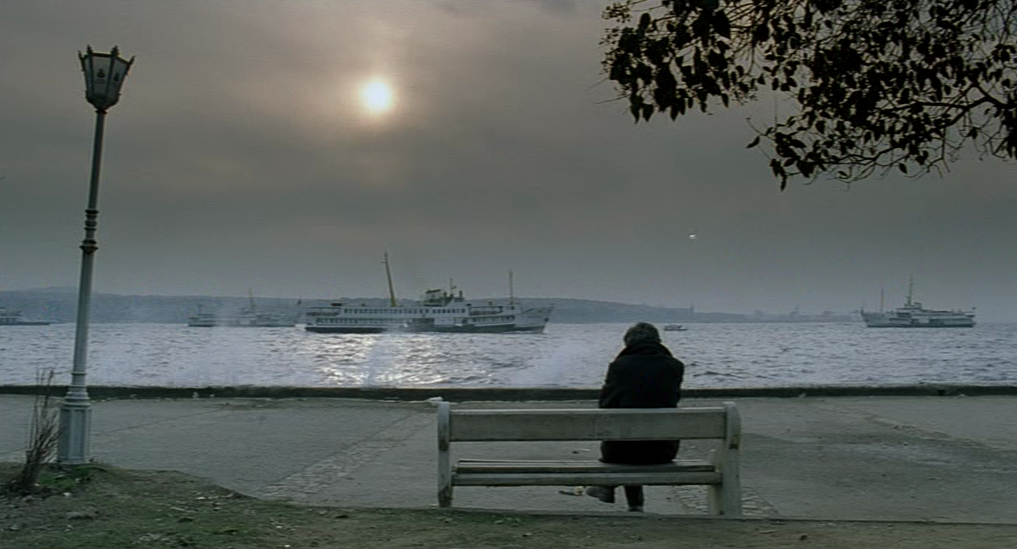
lareddepathways.com – “Distant” (Uzak) is a critically acclaimed Turkish film directed by Nuri Bilge Ceylan, released in 2002. Known for its minimalist style and profound storytelling, the film delves into themes of loneliness, existential angst, and the subtle complexities of human relationships. It offers viewers a poignant reflection on the nature of modern life and the pervasive sense of disconnection that can accompany it.

Plot Overview

The film follows the story of Mahmut, a successful but emotionally detached photographer living in Istanbul, whose routine is disrupted by the arrival of his distant relative, Yusuf. Yusuf, who has come to the city in search of work, is a stark contrast to Mahmut with his rural background and unpolished demeanor. As the two men share Mahmut’s apartment, their differences become increasingly apparent, highlighting the emotional and psychological distance between them.

Themes and Symbolism

“Distant” explores the theme of alienation in a modern urban setting. Mahmut’s solitary existence and Yusuf’s aimless wanderings through the city are emblematic of the broader human condition, where personal connections are often superficial and unfulfilling. The film uses silence and stillness to convey the unspoken tensions and unexpressed emotions between the characters. The stark winter landscape serves as a metaphor for the cold and isolating nature of their lives.

Cinematic Excellence

Nuri Bilge Ceylan’s directorial style in “Distant” is marked by long, contemplative shots and a deliberate pace that invites viewers to engage deeply with the characters’ inner worlds. The film’s cinematography captures the bleak beauty of Istanbul in winter, enhancing the narrative’s emotional depth. Ceylan’s attention to detail and his ability to evoke powerful emotions through visual storytelling have earned the film numerous accolades, including the Grand Prix at the Cannes Film Festival.

Cultural and Personal Reflection

“Distant” offers a unique perspective on the challenges of modern living, particularly in the context of Turkish society. It presents a nuanced portrayal of the tension between traditional values and contemporary urban life, reflecting the broader cultural shifts occurring in Turkey at the time. The film also resonates on a personal level, prompting viewers to reflect on their own experiences of loneliness and the pursuit of meaning in an increasingly disconnected world.

Conclusion

“Distant” is a masterful exploration of the human condition, highlighting the universal themes of isolation and the search for connection. Through its subtle storytelling and evocative imagery, the film offers a profound meditation on the nature of existence, leaving a lasting impact on audiences around the world.

The Nightingale (2013): A Heartfelt Journey Across Generations

lareddepathways.com – Directed by Philippe Muyl, “The Nightingale” (2013) is a Chinese-French drama that beautifully captures the essence of familial bonds and the juxtaposition of tradition and modernity. The film serves as a gentle yet profound exploration of relationships, cultural identity, and personal growth.

Plot Overview

The story revolves around Zhu Zhi Gen, an elderly man who embarks on a journey from Beijing to his native village in Guangxi province. He is accompanied by his spoiled granddaughter, Ren Xing, on this trip. The purpose of the journey is to return a pet nightingale to its native land, fulfilling a promise made to his late wife.

Themes

Tradition vs. Modernity

“The Nightingale” poignantly contrasts urban life with rural simplicity, highlighting the tension between modern convenience and traditional values. This theme is underscored by the journey itself, as the characters navigate a landscape that is both physically and metaphorically transformative.

Intergenerational Bonds

A central theme of the film is the evolving relationship between Zhu Zhi Gen and Ren Xing. Their journey becomes a conduit for understanding and connection, bridging the generational gap between them. Through shared experiences, they learn about each other’s worlds, leading to mutual respect and affection.

Cinematic Elements

Direction and Cinematography

Philippe Muyl’s direction is sensitive and nuanced, capturing the delicate interplay of emotions throughout the film. The cinematography is visually stunning, painting a vivid picture of the contrasting worlds of bustling Beijing and the serene countryside.

Performances

The performances in “The Nightingale” are heartfelt and authentic. The actors bring depth to their characters, enhancing the film’s emotional resonance. Their portrayals of a grandfather and granddaughter navigating their differences are both touching and relatable.

Conclusion

“The Nightingale” is more than a simple road movie; it is a meditation on life, love, and the connections that define us. The film’s gentle narrative and beautiful visuals invite viewers to reflect on their own relationships and the ever-changing world around them. For those seeking a film that combines charm with depth, “The Nightingale” is a must-watch.

Mad Max: Fury Road – A High-Octane Cinematic Masterpiece

lareddepathways.com – “Mad Max: Fury Road,” released in 2015 and directed by George Miller, is a landmark in action cinema. As the fourth installment in the “Mad Max” franchise, it reinvigorates the series with intense action sequences, stunning visuals, and a compelling narrative. This article explores the themes, production, and cultural impact of “Mad Max: Fury Road,” highlighting why it stands out as a modern classic.

The Plot: A Relentless Chase Across the Wasteland

Set in a dystopian future where resources are scarce, “Mad Max: Fury Road” follows Max Rockatansky, portrayed by Tom Hardy, and Imperator Furiosa, played by Charlize Theron. Furiosa rebels against the tyrannical warlord Immortan Joe by rescuing his captive wives and fleeing across the desert in a heavily armed war rig. Max becomes an unlikely ally in their quest for freedom, leading to a relentless chase through the barren wasteland.

The film’s narrative is straightforward yet powerful, focusing on themes of survival, redemption, and the fight for autonomy. The characters’ journey is not just physical but also an emotional struggle against oppression and tyranny.

Visual and Technical Brilliance

“Mad Max: Fury Road” is renowned for its breathtaking visuals and groundbreaking action sequences. George Miller’s direction combines practical effects with minimal CGI, resulting in a visceral and immersive experience. The film’s distinctive color palette, dynamic camera work, and elaborate stunts create a sense of chaotic beauty that captivates audiences from start to finish.

The production design, led by Colin Gibson, transforms the desolate landscape into a vibrant and imaginative world. The vehicles, costumes, and sets reflect the harsh realities of the dystopian setting while adding a layer of creativity and artistry that enhances the story.

Themes and Characters

At its core, “Mad Max: Fury Road” is a story of empowerment and resistance. Charlize Theron’s Furiosa emerges as a powerful symbol of defiance, challenging traditional gender roles in action films. Her quest to liberate Immortan Joe’s wives highlights themes of female agency and solidarity, making the film a significant cultural touchstone.

Tom Hardy’s portrayal of Max emphasizes themes of redemption and survival. As a drifter haunted by his past, Max finds purpose in aiding Furiosa’s mission, reinforcing the film’s message of hope and resilience in the face of adversity.

Cultural Impact and Legacy

“Mad Max: Fury Road” received widespread critical acclaim and commercial success, earning six Academy Awards and numerous accolades. Its innovative approach to action filmmaking and strong feminist themes have inspired filmmakers and audiences alike, cementing its status as a modern classic.

The film’s impact extends beyond cinema, influencing popular culture and sparking discussions on gender representation and environmental issues. Its legacy is evident in the continued interest in the “Mad Max” franchise and the anticipation for future installments.

Conclusion

“Mad Max: Fury Road” is more than just an action film; it is a cinematic triumph that redefines the genre. Through its exhilarating action, compelling characters, and thought-provoking themes, it offers a powerful commentary on humanity’s capacity for both destruction and redemption. As a testament to visionary filmmaking, “Mad Max: Fury Road” will continue to inspire and entertain audiences for years to come.

Patriotism and Sacrifice: A Deep Dive into the Film “Raazi”

lareddepathways.com – “Raazi,” released in 2018 and directed by Meghna Gulzar, is a gripping espionage thriller that skillfully intertwines themes of patriotism, sacrifice, and moral ambiguity. Starring Alia Bhatt in a career-defining role, the film is based on Harinder Sikka’s novel “Calling Sehmat,” which itself is inspired by true events. Set against the backdrop of the Indo-Pakistani War of 1971, “Raazi” tells the story of a young Indian woman who becomes a spy to serve her country.

Plot Summary

The film centers around Sehmat Khan, a young Kashmiri woman who is married into a Pakistani military family at the behest of her father, an Indian intelligence officer. Her marriage is a cover for her mission to gather crucial intelligence for India. As she navigates her dual life, Sehmat grapples with the personal and ethical challenges of her role as a spy.

Themes and Analysis

  1. Patriotism and Duty: “Raazi” explores the concept of patriotism in a nuanced manner. Sehmat’s unwavering commitment to her country drives her to make profound personal sacrifices. The film raises questions about the nature of duty and the costs associated with serving one’s nation.
  2. Sacrifice and Identity: Sehmat’s journey is marked by the sacrifices she makes, not only in terms of personal relationships but also in terms of her own identity. Her mission forces her to confront her values and the impact of her actions on both sides of the border.
  3. Moral Ambiguity: The film delves into the moral complexities of espionage. Sehmat’s character embodies the conflict between personal morality and national duty, highlighting the ethical dilemmas faced by those in the intelligence field.

Cinematic Techniques

Director Meghna Gulzar employs a restrained and realistic approach to storytelling. The film’s tense narrative is complemented by its authentic portrayal of the era, detailed production design, and evocative music by Shankar-Ehsaan-Loy. Alia Bhatt’s powerful performance anchors the film, bringing depth and nuance to Sehmat’s character.

Conclusion

“Raazi” is a compelling exploration of patriotism, identity, and the sacrifices made in the name of duty. Through its gripping narrative and strong performances, the film invites viewers to reflect on the personal costs of war and the complexities of loyalty. As a standout entry in Indian cinema, “Raazi” not only entertains but also provokes thought and discussion about the nature of espionage and the human spirit.

“Before Sunrise”: An Intimate Exploration of Connection

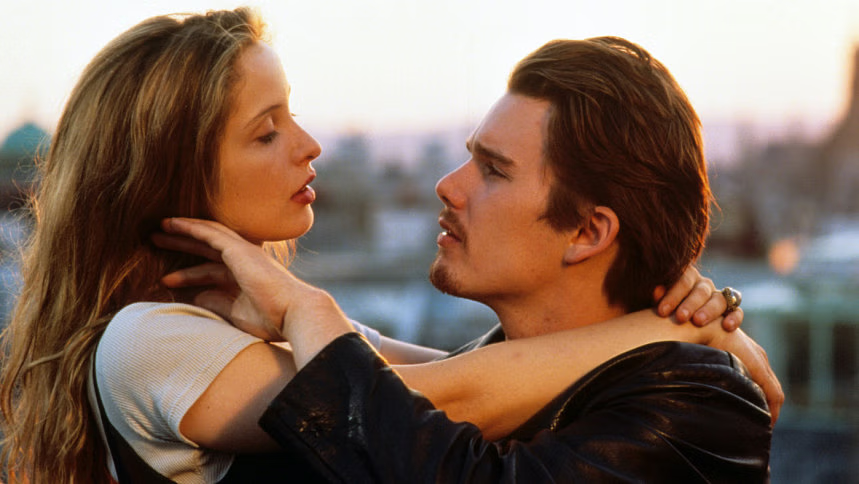
lareddepathways.com – Released in 1995, “Before Sunrise,” directed by Richard Linklater, is a poignant romantic drama that explores themes of connection, chance, and fleeting moments. This film, starring Ethan Hawke and Julie Delpy, is the first in a trilogy that delicately captures the essence of human relationships and the impact of a single night.

A Unique Cinematic Experience

A Conversation-Driven Narrative

“Before Sunrise” stands out for its dialogue-heavy script, where the plot unfolds through the conversations between the two protagonists, Jesse and Celine. As they wander through the picturesque city of Vienna, their discussions touch on life, love, philosophy, and personal dreams, creating an intimate window into their evolving connection.

Real-Time Storytelling

The film’s real-time approach invites viewers to experience the night alongside Jesse and Celine. This technique enhances the authenticity of their interactions, making the audience feel as if they are part of the unfolding romance. The absence of traditional narrative structures allows the characters’ chemistry and dialogue to shine.

Characters and Performances

Jesse and Celine

Ethan Hawke and Julie Delpy deliver compelling performances as Jesse, an American traveler, and Celine, a French student. Their natural chemistry and nuanced portrayals breathe life into the characters, making their interactions feel genuine and relatable.

The Power of Chance Encounters

Jesse and Celine’s meeting on a train is a testament to the unpredictability of life. The film beautifully captures how a chance encounter can lead to profound connections, challenging the notion of serendipity and the impact of seemingly random moments.

Themes and Symbolism

Fleeting Moments and Impermanence

A central theme of “Before Sunrise” is the ephemeral nature of time. As Jesse and Celine spend one night together, the film reflects on the beauty and poignancy of transient experiences and how they can leave lasting impressions on our lives.

Exploration of Identity and Connection

Through their conversations, Jesse and Celine explore their identities and beliefs, revealing their vulnerabilities and desires. The film emphasizes the importance of human connection in understanding oneself and others, highlighting the transformative power of genuine interaction.

Conclusion

“Before Sunrise” is a masterful exploration of love and connection, distinguished by its thoughtful dialogue and authentic performances. Its unique storytelling approach and exploration of universal themes make it a timeless piece that continues to resonate with audiences, inviting reflection on the moments that shape our lives.