
The Face of Another (1966): An Exploration of Identity & Alienation

lareddepathways.com – “The Face of Another” (1966) is a thought-provoking Japanese film directed by Hiroshi Teshigahara. Based on the novel by Kōbō Abe, it is a compelling exploration of identity, alienation, and the human psyche. This cinematic work challenges the audience to reflect on the nature of self and the masks people wear in society.

Plot Overview

Setting and Characters

The film follows the story of Mr. Okuyama, portrayed by Tatsuya Nakadai, a man disfigured in an industrial accident. With his face severely burned, Okuyama becomes estranged from society and his own identity. The plot thickens as he consults with a psychiatrist, played by Mikijirô Hira, who offers him an opportunity to wear a lifelike mask that restores his appearance.

Storyline

As Okuyama dons this new face, he embarks on a journey to rediscover himself. However, the mask brings unexpected consequences, blurring the lines between his true self and the persona he projects. The film delves into Okuyama’s interactions with his wife, played by Machiko Kyō, and how the mask affects their relationship, exploring themes of deception and self-perception.

Themes and Analysis

Identity and Transformation

“The Face of Another” is a profound examination of identity. It questions whether physical appearance defines who we are and explores the transformative power of anonymity. Okuyama’s journey illustrates how altering one’s appearance can lead to a shift in behavior and self-awareness.

Alienation and Society

The film also tackles the theme of alienation. Okuyama’s disfigurement isolates him from society, highlighting how physical differences can lead to social ostracism. His experiences with the mask serve as a metaphor for the masks we all wear to conform to societal norms, raising questions about authenticity and acceptance.

Cinematic Techniques

Direction and Visual Style

Hiroshi Teshigahara’s direction is notable for its surreal and avant-garde style. The film’s visual aesthetics, combined with Tôru Takemitsu’s haunting score, create an unsettling atmosphere that mirrors Okuyama’s inner turmoil. The use of stark imagery and symbolic elements enhances the narrative’s psychological depth.

Performances

Tatsuya Nakadai delivers a powerful performance as Mr. Okuyama, capturing the character’s complex emotions and internal conflict. The supporting cast, including Machiko Kyō and Mikijirô Hira, provide nuanced portrayals that contribute to the film’s exploration of human relationships and identity.

Conclusion

“The Face of Another” is a cinematic masterpiece that challenges viewers to reflect on the nature of identity and the facades we create. Its enduring themes and innovative storytelling make it a significant work in Japanese cinema. For those interested in films that delve into psychological and existential questions, “The Face of Another” offers a captivating and thought-provoking experience.
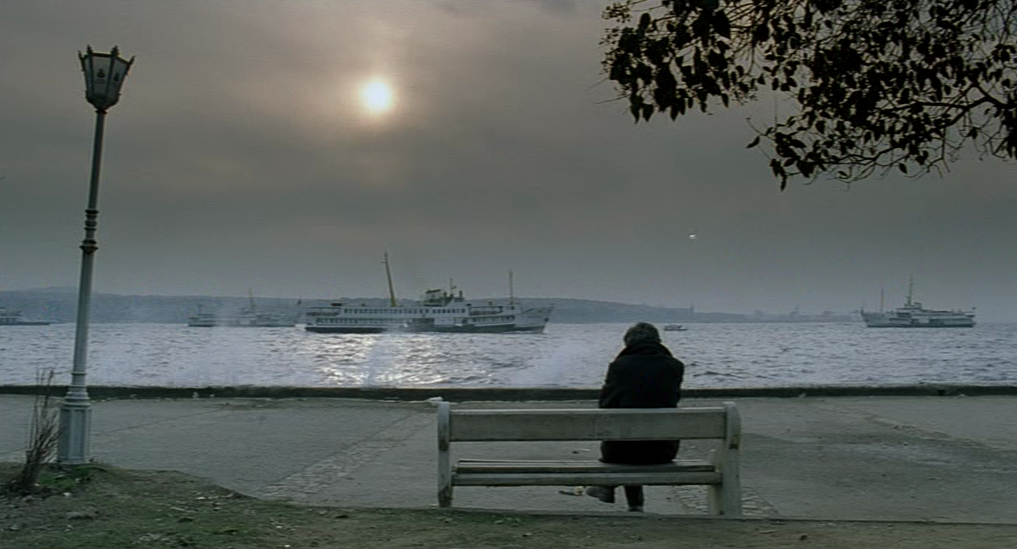

Distant: A Thought-Provoking Exploration of Isolation and Alienation

lareddepathways.com – “Distant” (Uzak) is a critically acclaimed Turkish film directed by Nuri Bilge Ceylan, released in 2002. Known for its minimalist style and profound storytelling, the film delves into themes of loneliness, existential angst, and the subtle complexities of human relationships. It offers viewers a poignant reflection on the nature of modern life and the pervasive sense of disconnection that can accompany it.

Plot Overview

The film follows the story of Mahmut, a successful but emotionally detached photographer living in Istanbul, whose routine is disrupted by the arrival of his distant relative, Yusuf. Yusuf, who has come to the city in search of work, is a stark contrast to Mahmut with his rural background and unpolished demeanor. As the two men share Mahmut’s apartment, their differences become increasingly apparent, highlighting the emotional and psychological distance between them.

Themes and Symbolism

“Distant” explores the theme of alienation in a modern urban setting. Mahmut’s solitary existence and Yusuf’s aimless wanderings through the city are emblematic of the broader human condition, where personal connections are often superficial and unfulfilling. The film uses silence and stillness to convey the unspoken tensions and unexpressed emotions between the characters. The stark winter landscape serves as a metaphor for the cold and isolating nature of their lives.

Cinematic Excellence

Nuri Bilge Ceylan’s directorial style in “Distant” is marked by long, contemplative shots and a deliberate pace that invites viewers to engage deeply with the characters’ inner worlds. The film’s cinematography captures the bleak beauty of Istanbul in winter, enhancing the narrative’s emotional depth. Ceylan’s attention to detail and his ability to evoke powerful emotions through visual storytelling have earned the film numerous accolades, including the Grand Prix at the Cannes Film Festival.

Cultural and Personal Reflection

“Distant” offers a unique perspective on the challenges of modern living, particularly in the context of Turkish society. It presents a nuanced portrayal of the tension between traditional values and contemporary urban life, reflecting the broader cultural shifts occurring in Turkey at the time. The film also resonates on a personal level, prompting viewers to reflect on their own experiences of loneliness and the pursuit of meaning in an increasingly disconnected world.

Conclusion

“Distant” is a masterful exploration of the human condition, highlighting the universal themes of isolation and the search for connection. Through its subtle storytelling and evocative imagery, the film offers a profound meditation on the nature of existence, leaving a lasting impact on audiences around the world.

“Before Sunrise”: An Intimate Exploration of Connection

lareddepathways.com – Released in 1995, “Before Sunrise,” directed by Richard Linklater, is a poignant romantic drama that explores themes of connection, chance, and fleeting moments. This film, starring Ethan Hawke and Julie Delpy, is the first in a trilogy that delicately captures the essence of human relationships and the impact of a single night.

A Unique Cinematic Experience

A Conversation-Driven Narrative

“Before Sunrise” stands out for its dialogue-heavy script, where the plot unfolds through the conversations between the two protagonists, Jesse and Celine. As they wander through the picturesque city of Vienna, their discussions touch on life, love, philosophy, and personal dreams, creating an intimate window into their evolving connection.

Real-Time Storytelling

The film’s real-time approach invites viewers to experience the night alongside Jesse and Celine. This technique enhances the authenticity of their interactions, making the audience feel as if they are part of the unfolding romance. The absence of traditional narrative structures allows the characters’ chemistry and dialogue to shine.

Characters and Performances

Jesse and Celine

Ethan Hawke and Julie Delpy deliver compelling performances as Jesse, an American traveler, and Celine, a French student. Their natural chemistry and nuanced portrayals breathe life into the characters, making their interactions feel genuine and relatable.

The Power of Chance Encounters

Jesse and Celine’s meeting on a train is a testament to the unpredictability of life. The film beautifully captures how a chance encounter can lead to profound connections, challenging the notion of serendipity and the impact of seemingly random moments.

Themes and Symbolism

Fleeting Moments and Impermanence

A central theme of “Before Sunrise” is the ephemeral nature of time. As Jesse and Celine spend one night together, the film reflects on the beauty and poignancy of transient experiences and how they can leave lasting impressions on our lives.

Exploration of Identity and Connection

Through their conversations, Jesse and Celine explore their identities and beliefs, revealing their vulnerabilities and desires. The film emphasizes the importance of human connection in understanding oneself and others, highlighting the transformative power of genuine interaction.

Conclusion

“Before Sunrise” is a masterful exploration of love and connection, distinguished by its thoughtful dialogue and authentic performances. Its unique storytelling approach and exploration of universal themes make it a timeless piece that continues to resonate with audiences, inviting reflection on the moments that shape our lives.