Callaloo: A Green and Flavorful Jamaican Delight

lareddepathways.com – Callaloo is a vibrant and versatile dish that is deeply rooted in Jamaican cuisine. It’s a hearty soup or stew made with callaloo leaves, a type of leafy green vegetable that is similar to spinach. This flavorful dish is often enjoyed as a side dish or a main course.

The Origins of Callaloo

The origins of callaloo can be traced back to West Africa, where similar leafy green vegetables were used in various dishes. Enslaved Africans brought their culinary traditions to the Caribbean, including the use of callaloo leaves. Over time, Jamaican cooks adapted these traditions, incorporating local ingredients and spices to create a unique and delicious dish.

The Essential Ingredients

The key ingredients in callaloo include:

  • Callaloo Leaves: These leafy green vegetables provide a rich, earthy flavor.
  • Okra: Okra adds a slimy texture to the soup, which helps to thicken it.
  • Aromatic Spices: Thyme, allspice, and Scotch bonnet peppers are essential for adding flavor and heat to the dish.
  • Coconut Milk: Coconut milk enriches the soup with a creamy texture and a tropical flavor.
  • Onions, Garlic, and Scallions: These aromatic ingredients provide a savory base for the soup.

The Cooking Process

The cooking process for callaloo is relatively simple. Here’s a general overview:

  1. Sautéing the Aromatics: Onions, garlic, and scallions are sautéed in oil until softened and fragrant.
  2. Adding the Callaloo and Okra: The callaloo leaves and okra are added to the pot and sautéed for a few minutes.
  3. Adding the Coconut Milk and Spices: Coconut milk and spices, such as thyme, allspice, and Scotch bonnet peppers, are added to the pot.
  4. Simmering: The soup is brought to a boil, then reduced to a simmer and covered. It is simmered until the callaloo leaves are tender and the flavors have melded together.

Serving Suggestions

Callaloo can be served hot or cold. It’s often enjoyed with a side of rice or dumplings. Some people like to add a squeeze of lime juice to brighten up the flavors.

Cultural Significance

Callaloo is a beloved dish in Jamaican culture. It’s often served at celebrations and family gatherings, and it’s a popular choice for breakfast, lunch, or dinner. The dish’s vibrant green color and earthy flavor make it a visually appealing and delicious addition to any meal.

Humita: The Origins of Humita – A Corn-Based Delight

lareddepathways.com – Humita is a traditional South American dish, particularly popular in Argentina, Chile, Peru, and Bolivia. It’s a versatile dish that can be prepared in many different ways, but the core ingredient is always corn. Humita can be steamed, baked, or fried, and it’s often served as a side dish, appetizer, or main course.

The Origins of Humita

The origins of humita can be traced back to the indigenous people of South America, who have been cultivating corn for thousands of years. The Incas were particularly skilled at preparing corn-based dishes, and humita is believed to be one of their culinary creations.

The Classic Humita

The classic humita is a simple yet delicious dish. It’s made with a mixture of corn kernels, cheese, and spices, which is then wrapped in a corn husk and steamed. The resulting dish is a flavorful and comforting treat.

Variations of Humita

While the classic humita is beloved, there are many variations on this dish. Here are a few popular options:

  • Humita en Cazuela: This variation is baked in a clay pot, which gives it a unique flavor.
  • Humita Salteña: This Bolivian version of humita is similar to a tamale, with a doughy exterior and a savory filling.
  • Humita a la Parrilla: This Argentine variation is grilled, giving it a smoky flavor.

How to Enjoy Humita

Humita can be enjoyed hot or cold. It’s often served with a side of chimichurri sauce or aji amarillo, a Peruvian chili pepper paste.

Making Humita at Home

Making humita at home can be a bit time-consuming, but it’s well worth the effort. Here’s a basic recipe:

Ingredients:

  • Corn kernels
  • Cheese
  • Onion
  • Garlic
  • Salt and pepper
  • Corn husks

Instructions:

  1. Cook the Corn: Cook the corn kernels in boiling water until they are tender.
  2. Prepare the Filling: Sauté the onion and garlic in a pan. Add the cooked corn and cheese, and season with salt and pepper.
  3. Assemble the Humita: Place a spoonful of the filling in each corn husk. Fold the husks to enclose the filling.
  4. Cook the Humita: Steam the humita for 30-45 minutes, or until the filling is cooked through.

Conclusion

Humita is a delicious and versatile dish that has been enjoyed in South America for centuries. Its simple yet satisfying flavor has made it a beloved part of Latin American cuisine. Whether you’re enjoying a classic humita or a more modern variation, you’re sure to be delighted.

Khao Swe: A Creamy Delight from Myanmar

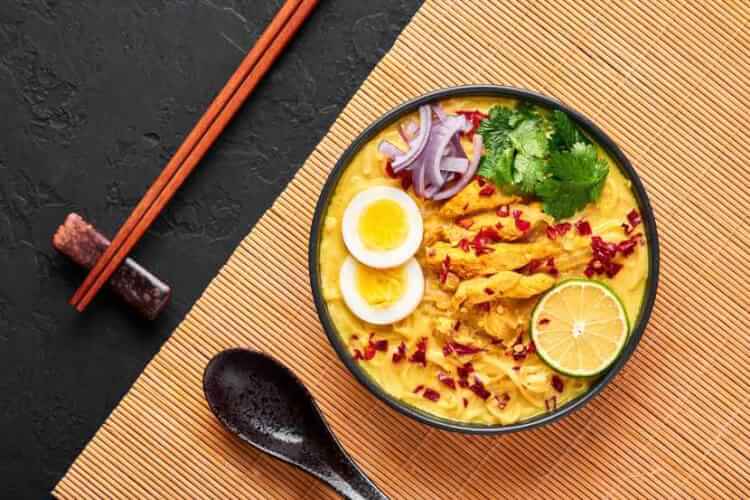
lareddepathways.com – Khao Swe, a rich and comforting noodle soup, is a beloved dish in Myanmar. This creamy delight is characterized by its coconut milk-based broth, which imparts a luscious and savory flavor. The soup is typically served with a variety of toppings, allowing diners to customize their bowl to their liking.

A Symphony of Flavors

At the heart of Khao Swe lies a velvety smooth coconut milk broth, infused with aromatic spices such as garlic, shallots, and chili peppers. This broth is simmered until it reaches the perfect balance of richness and spice, creating a truly indulgent experience.

The noodles used in Khao Swe are typically made from rice flour, resulting in a delicate and slightly chewy texture. These noodles are cooked al dente and then added to the coconut milk broth, where they soak up the flavorful liquid.

To elevate the flavor profile of Khao Swe, a variety of toppings are often added. These can include:

  • Fried garlic: This aromatic ingredient adds a savory crunch to the soup.
  • Chili oil: This fiery condiment adds a spicy kick to the dish.
  • Lime wedges: These add a tangy and refreshing flavor.
  • Fresh herbs: Coriander and mint are commonly used to garnish the dish.
  • Crispy noodles: These provide a contrasting texture to the soft noodles.

A Cultural Tapestry

Khao Swe is deeply rooted in Myanmar’s cultural heritage and is often enjoyed as a breakfast or lunch dish. It is particularly popular in the Irrawaddy Delta region, where it is often served with a variety of side dishes, such as pickled vegetables and fish cakes.

The preparation of Khao Swe is a skill that is often passed down from generation to generation. It requires a delicate balance of flavors and textures, and the best versions of the dish are often made by experienced cooks who have honed their craft over many years.

A Global Culinary Sensation

In recent years, Khao Swe has gained international recognition, captivating the palates of food lovers around the world. Its creamy and comforting nature, its unique blend of flavors, and its beautiful presentation have contributed to its growing popularity.

From renowned chefs incorporating Khao Swe into their menus to home cooks experimenting with their own versions, the dish has transcended borders and become a global culinary sensation.

A Recipe for the Soul

While the exact recipe for Khao Swe may vary, the essential elements remain the same: a rich coconut milk broth, delicate rice noodles, and a variety of savory toppings. The key to a truly authentic Khao Swe experience lies in the quality of the ingredients and the balance of flavors.

Whether you’re savoring a bowl of Khao Swe in a bustling street market in Myanmar or recreating the dish in your own kitchen, it is sure to transport you to the heart of Burmese culture, offering a taste of its vibrant and delicious cuisine.

Montreal-Style Bagels: A Chewy Delight

lareddepathways.com – Montreal-style bagels have a distinct character that sets them apart from their New York counterparts. These bagels are known for their dense, chewy texture, slightly sweet flavor, and glossy, golden-brown crust.

The Boiling Process

One of the key factors that contribute to the unique texture of Montreal-style bagels is the boiling process. Before baking, the bagels are boiled in a pot of water, often with added honey or malt syrup. This boiling step helps to create a shiny crust and a chewy interior.

A Culinary Heritage

The history of Montreal-style bagels is deeply rooted in the city’s Jewish community. Jewish immigrants brought their baking traditions to Montreal in the late 19th and early 20th centuries. Over time, the bagels adapted to local ingredients and preferences, resulting in the distinctive Montreal-style bagel.

A Perfect Pairing

Montreal-style bagels are often enjoyed with a variety of toppings, including cream cheese, smoked salmon, lox, and various spreads. They can also be toasted and topped with butter or jam.

A Global Phenomenon

While Montreal-style bagels are synonymous with the city of Montreal, their popularity has spread far and wide. Many bakeries around the world now offer their own versions of these iconic bagels. Whether you’re in Montreal or elsewhere, a good Montreal-style bagel is a delicious treat that can be enjoyed any time of day.

Ais Kacang: A Refreshing Malaysian Delight

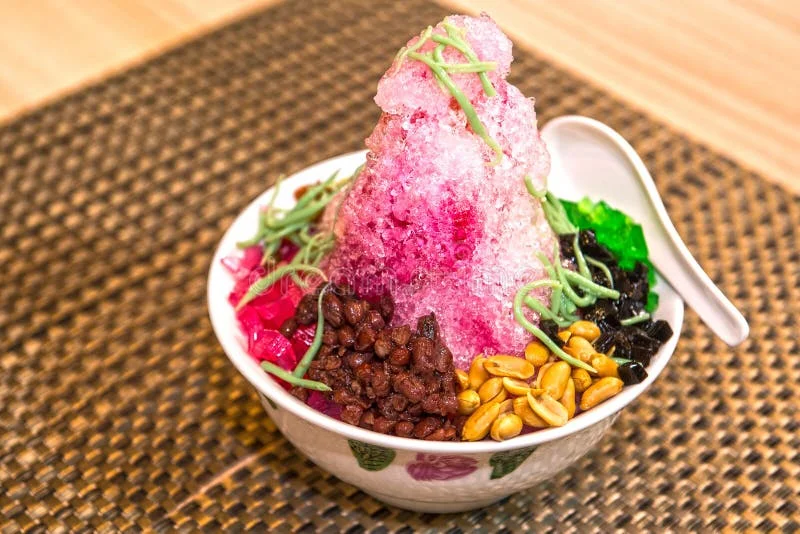
lareddepathways.com – Ais Kacang, also known as “ABC” (Air Batu Campur), is a quintessential Malaysian dessert that offers a delightful escape from the tropical heat. Its vibrant colors and variety of textures make it a feast for both the eyes and the taste buds. Let’s dive into the origins, ingredients, preparation, and cultural significance of this beloved treat.

Origins and Evolution

Ais Kacang has its roots in the fusion of Malaysian and Chinese culinary traditions. Initially, this dessert was a simple concoction of shaved ice and red beans, but it has evolved over the years to include a plethora of ingredients, each adding its own unique flavor and texture. Today, Ais Kacang is a staple at hawker centers, food courts, and dessert stalls across Malaysia and Singapore, enjoyed by people of all ages.

Essential Ingredients

The beauty of Ais Kacang lies in its versatility and the multitude of ingredients that can be incorporated. The core components typically include:

  • Shaved Ice: The foundation of Ais Kacang, finely shaved ice provides a refreshing base that melts in the mouth.
  • Red Beans: Soft and slightly sweet, red beans are a traditional ingredient that adds a hearty texture.
  • Jelly: Colorful cubes of jelly contribute a chewy texture and a burst of fun.
  • Sweet Syrup: A variety of syrups, such as rose, palm sugar, or pandan, are drizzled over the ice for sweetness and flavor.
  • Condensed Milk or Evaporated Milk: These add creaminess and richness to the dessert.
  • Corn, Peanuts, and Fruits: Optional toppings like sweet corn, crushed peanuts, and fresh fruit slices can be added for extra flavor and texture.

Preparation and Serving

The preparation of Ais Kacang is as much about creativity as it is about technique. The process begins with a mound of finely shaved ice, which serves as the canvas for the toppings. Red beans and jelly are generously sprinkled over the ice, followed by a colorful drizzle of sweet syrup.

For an added touch of indulgence, a splash of condensed or evaporated milk is poured over the top, creating a creamy contrast to the icy base. Finally, the dessert is garnished with optional toppings such as corn, peanuts, or fruit, giving it a personalized touch.

Cultural Significance

Ais Kacang is more than just a dessert; it is a cultural icon that embodies the vibrant and diverse culinary heritage of Malaysia. It is often enjoyed during festive occasions, family gatherings, and as a refreshing treat on a hot day. Its popularity transcends cultural boundaries, making it a symbol of unity in Malaysia’s multicultural society.

Conclusion

Ais Kacang is a delightful dessert that captures the essence of Malaysia’s rich culinary landscape. Its combination of flavors, textures, and colors offers a sensory experience that is both satisfying and refreshing. Whether savored on a bustling street corner or in the comfort of home, Ais Kacang remains a cherished treat that continues to bring joy to those who indulge in its icy, sweet delights.