
Regal Revelry: Celebratory Royal Fare

lareddepathways.com – The grand celebrations of royalty are marked by opulent feasts that showcase the best of culinary artistry and tradition. Regal Revelry: Celebratory Royal Fare is a journey into the sumptuous world of royal banquets and festive dining, where every dish tells a story of heritage, culture, and the art of celebration. In this article, we explore the essence of royal festivities and the extraordinary fare that graces these majestic occasions.

The Art of Royal Celebrations: A Historical Perspective

Royal celebrations have always been more than mere gatherings; they are events that reflect the grandeur and prestige of the monarchy. Historically, these occasions have served as opportunities for monarchs to display their wealth, power, and hospitality. From coronations and weddings to state banquets and jubilees, each celebration is meticulously planned to embody the spirit of the event and the values of the royal family.

Iconic Dishes: The Heart of Royal Celebrations

  1. Beef Wellington

    • A dish synonymous with luxury and sophistication, Beef Wellington is a staple at many royal celebrations. Encased in flaky pastry and often served with a rich sauce, this dish represents the union of classic flavors and culinary excellence.
  2. Trifle

    • A quintessentially British dessert, trifle is a layered masterpiece of sponge cake, custard, fruit, and cream. Often served during festive occasions, it adds a sweet note to the lavish spread and is a favorite among both guests and royals.
  3. Game Pie

    • Celebrating the bounty of the hunt, game pie is a traditional dish that highlights the connection between the royal family and the countryside. Filled with a variety of meats and seasoned with herbs, it is a hearty addition to any celebratory menu.

The Role of Tradition and Innovation in Royal Cuisine

While tradition plays a significant role in the creation of royal celebratory fare, there is also room for innovation. Royal chefs are tasked with the challenge of honoring time-honored recipes while incorporating contemporary elements that reflect current culinary trends. This delicate balance ensures that the royal menu remains relevant and exciting, while still respecting the rich history of royal cuisine.

Royal Banquets: A Symphony of Taste and Elegance

Royal banquets are a feast for the senses, where every detail is carefully curated to create an unforgettable experience. From the elegant table settings and floral arrangements to the exquisite presentation of dishes, each element contributes to the overall ambiance of the event. The selection of wines and beverages is equally important, chosen to complement the flavors of the meal and enhance the dining experience.

Conclusion: A Celebration of Culture and Culinary Excellence

Regal Revelry: Celebratory Royal Fare is a testament to the enduring legacy of royal feasts and the art of celebration. These grand events are not only about the food but also about the shared experience of coming together to honor special occasions. As we explore the world of celebratory royal fare, we gain insight into the cultural significance and culinary mastery that define these majestic gatherings, celebrating both tradition and innovation in the realm of royal dining.
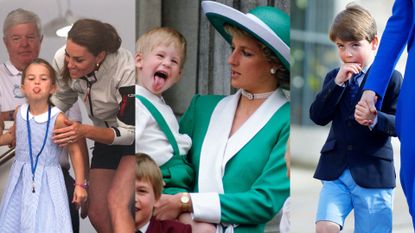
The Upbringing of Future Monarchs: Royal Children

lareddepathways.com – The upbringing of royal children is a subject that has fascinated people for centuries. These children, born into a life of privilege and duty, are groomed from birth to potentially become future monarchs. Their education, public appearances, and even their playtime are often scrutinized and shaped by the expectations of their royal roles. This article delves into the unique aspects of royal children’s upbringing, exploring how they are prepared for their future responsibilities and the challenges they face growing up in the public eye.

Early Education and Private Tutors

Royal children often begin their education with private tutors, who are carefully selected to provide a tailored and discreet learning environment. This early education is designed not only to instill academic knowledge but also to impart the values and traditions of their royal heritage. Subjects such as history, literature, and language are emphasized, with a particular focus on the history of their own country and the role of the monarchy within it.

Balancing Public and Private Life

One of the most challenging aspects of growing up royal is the balance between public and private life. Royal children are often in the spotlight from a very young age, attending public engagements and events alongside their parents. They learn early on how to navigate the media attention and the expectations of the public, while also trying to maintain a sense of normalcy in their personal lives.

International Exposure and Cultural Education

Royal children are also exposed to a variety of cultures and international experiences. This exposure is part of their preparation to represent their country on the global stage. They may learn multiple languages and are encouraged to develop an understanding and appreciation of different cultures and perspectives. This international outlook is crucial for future monarchs who will be expected to engage in diplomatic relations and foster international goodwill.

Character Building and Service

The upbringing of royal children includes a strong emphasis on character building and service to others. They are taught the importance of philanthropy and are encouraged to take on patronages and support causes close to their hearts. This not only prepares them for their future roles as public figures but also instills a sense of responsibility and empathy towards others.

The Challenges of Modern Royalty

In the modern era, royal families face new challenges in raising their children. The digital age has brought increased media scrutiny and the rise of social media, which can be both a blessing and a curse. While it offers a platform for royal children to connect with the public, it also exposes them to online criticism and privacy invasions. Royal families must navigate these waters carefully, ensuring that their children are protected while also preparing them for their public roles.

Conclusion

The upbringing of royal children is a complex and multifaceted process. It involves a delicate balance between preserving their childhood and preparing them for their future responsibilities. From their early education to their public appearances, every aspect of their upbringing is designed to shape them into future monarchs who are knowledgeable, compassionate, and ready to lead. As the world continues to change, the royal families of the world must adapt their approach to ensure that their children are equipped to meet the challenges of modern monarchy.