
New Caledonia: The Loyalty Islands – A Pacific Gem

lareddepathways.com – New Caledonia, a French territory in the South Pacific, is a stunning archipelago renowned for its pristine beaches, lush rainforests, and vibrant coral reefs. The main island, Grande Terre, offers a diverse landscape, from the bustling capital Nouméa to the remote and unspoiled interior. The Loyalty Islands, comprising Ouvéa, Lifou, and Maré, are equally captivating, with their pristine lagoons, white-sand beaches, and rich cultural heritage.

Grande Terre: The Heart of New Caledonia

Grande Terre, the largest island in New Caledonia, is a land of contrasts. The south of the island is characterized by its lush, tropical vegetation, while the north is drier and more arid.

  • Nouméa: The capital city, Nouméa, is a vibrant and cosmopolitan city with a mix of French and Melanesian cultures. It offers a wide range of activities, from shopping and dining to cultural experiences and outdoor adventures.
  • The Blue River Provincial Park: This stunning park is home to the Blue River, a crystal-clear river that flows through a lush rainforest. Visitors can enjoy swimming, kayaking, and hiking in this pristine natural setting.
  • The Isle of Pines: A small island off the southeast coast of Grande Terre, the Isle of Pines is a tropical paradise with white-sand beaches, crystal-clear lagoons, and lush pine forests.

The Loyalty Islands: A Tropical Idyll

The Loyalty Islands, located east of Grande Terre, are a chain of three islands: Ouvéa, Lifou, and Maré. These islands are known for their pristine beaches, crystal-clear lagoons, and rich Kanak culture.

  • Ouvéa: This island is famous for its stunning lagoon, which is considered one of the most beautiful in the world. Visitors can enjoy swimming, snorkeling, diving, and kayaking in the crystal-clear waters.
  • Lifou: Lifou is the largest of the Loyalty Islands and is known for its dramatic cliffs, white-sand beaches, and traditional Kanak villages. Visitors can explore the island’s many natural wonders, including the Jokin Cliffs and the Baie de Saint-Joseph.
  • Maré: Maré is the southernmost island of the Loyalty Islands and is known for its unique rock formations, lush forests, and traditional Kanak culture. Visitors can explore the island’s many cultural sites, including the ancient petroglyphs at Luengoni.

Conclusion

New Caledonia is a truly unique destination that offers a diverse range of experiences. From the bustling city of Nouméa to the pristine beaches of the Loyalty Islands, there is something for everyone in this beautiful archipelago. Whether you’re seeking adventure, relaxation, or cultural immersion, New Caledonia is the perfect place to escape the ordinary.
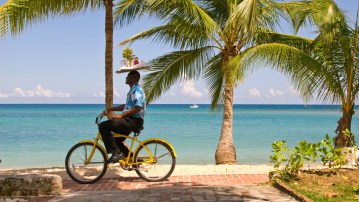
Connecting the Islands to the World: Jamaican Diaspora

lareddepathways.com – The Jamaican Diaspora, a vibrant and dynamic community, has played a pivotal role in connecting the small island nation to the global stage. This article explores the historical context, cultural impact, and economic contributions of the Jamaican Diaspora, highlighting how it serves as a bridge between Jamaica and the rest of the world.

Historical Context

The story of the Jamaican Diaspora is deeply rooted in the history of migration and the search for better opportunities. From the early 20th century, Jamaicans began to migrate to various parts of the world, including the United Kingdom, the United States, and Canada. This migration was driven by economic challenges, the search for employment, and the desire for a better quality of life. Over the years, the Jamaican Diaspora has grown significantly, with millions of people of Jamaican descent now living across the globe.

Cultural Impact

One of the most significant contributions of the Jamaican Diaspora is its cultural impact. Music, language, and cuisine are just a few of the ways in which the Diaspora has influenced the world. Reggae music, with its roots in Jamaica, has become a global phenomenon, largely due to the efforts of Jamaican artists who have taken their music to international audiences. The Diaspora has also played a crucial role in preserving and promoting Jamaican Patois, the country’s unique creole language, and has introduced Jamaican cuisine to the world, making dishes like jerk chicken and ackee and saltfish popular far beyond the island’s shores.

Economic Contributions

The Jamaican Diaspora is not only a cultural ambassador but also an economic powerhouse. Remittances from the Diaspora are a significant source of foreign exchange for Jamaica, contributing to the country’s economy and supporting families back home. Additionally, members of the Diaspora have invested in businesses and real estate in Jamaica, contributing to economic development and job creation. The Diaspora’s financial contributions have also supported educational and health initiatives, helping to improve the quality of life for many Jamaicans.

Connecting the Islands to the World

The Jamaican Diaspora serves as a vital link between Jamaica and the international community. Through cultural exchange, economic investment, and social engagement, the Diaspora has helped to raise awareness of Jamaica’s rich heritage and potential. It has also facilitated partnerships and collaborations that have benefited both the Diaspora communities and the homeland.

Conclusion

The Jamaican Diaspora is more than just a collection of individuals living outside of Jamaica; it is a community that has profoundly impacted the world. By connecting the islands to the global stage, the Diaspora has ensured that Jamaica’s culture, values, and potential are recognized and celebrated internationally. As the Diaspora continues to grow and evolve, its role in bridging Jamaica and the world will undoubtedly become even more significant.