Nieves Álvarez: A Timeless Beauty of the Fashion World

lareddepathways.com – Nieves Álvarez, a name synonymous with elegance, grace, and timeless beauty, is one of Spain’s most celebrated models. With her striking features, statuesque figure, and undeniable charisma, Álvarez has graced the catwalks of the world’s top fashion houses and graced the covers of numerous prestigious magazines.

Early Life and Career Beginnings

Born on March 23, 1971, in Madrid, Spain, Álvarez’s journey into the world of fashion began in her early twenties. Her natural beauty and captivating presence quickly caught the attention of talent scouts, leading to opportunities in the modeling industry.

A Global Sensation

Álvarez’s breakthrough came in the mid-1990s when she started working with renowned fashion designers such as Giorgio Armani, Valentino, and Chanel. Her ability to effortlessly embody the essence of each designer’s vision, coupled with her striking beauty, made her a sought-after model on the international fashion scene.

A Timeless Beauty

Álvarez’s timeless beauty and elegant demeanor have made her a favorite among photographers and designers alike. Her ability to age gracefully has allowed her to maintain her position as a top model for decades. She has graced the covers of prestigious magazines such as Vogue, Harper’s Bazaar, and Elle, and has been the face of numerous high-end brands.

Beyond the Runway

In addition to her successful modeling career, Álvarez has ventured into television presenting and acting. She has hosted various television programs, showcasing her versatility and charm.

A Lasting Legacy

Nieves Álvarez’s impact on the fashion industry is undeniable. Her elegance, professionalism, and dedication to her craft have made her a true icon. As she continues to inspire and captivate audiences, her legacy as one of Spain’s most successful and beloved models is assured.

The Romantic Imaginations of Emily Brontë

lareddepathways.com – Emily Brontë, one of the most enigmatic figures in English literature, is renowned for her singular novel, “Wuthering Heights.” Despite her brief life and limited body of work, Brontë’s contribution to Romantic literature is profound. Her imaginative and passionate storytelling continues to resonate with readers, offering a complex exploration of love, vengeance, and the supernatural.

Early Life and Influences

Emily Brontë was born in 1818 in Thornton, Yorkshire, and grew up in the isolated moorlands of Haworth. This rugged landscape deeply influenced her writing, providing the haunting and atmospheric backdrop for “Wuthering Heights.” The Brontë family encouraged creativity, and Emily, alongside her siblings, invented complex imaginary worlds that fueled her literary ambitions.

Wuthering Heights: A Tale of Passion and Turmoil

First published in 1847 under the pseudonym Ellis Bell, “Wuthering Heights” is a novel that defies easy categorization. Its nonlinear narrative and complex characters set it apart from other works of its time. The story revolves around the intense and destructive relationship between Heathcliff and Catherine Earnshaw, exploring themes of love, revenge, and the supernatural.

The Moorland Setting

The Yorkshire moors play a crucial role in “Wuthering Heights,” almost becoming a character in their own right. The wild, untamed landscape mirrors the tumultuous emotions of the characters, enhancing the novel’s gothic atmosphere. Brontë’s vivid descriptions of the moors reflect her deep connection to the natural world, imbuing the novel with a sense of mystery and foreboding.

Themes of Love and Revenge

At the heart of “Wuthering Heights” is the passionate and destructive love between Heathcliff and Catherine. Their relationship transcends traditional romantic boundaries, driven by a desire that is both compelling and destructive. Brontë explores the darker aspects of love, examining how it can lead to obsession and vengeance, ultimately consuming those involved.

The Supernatural Elements

Emily Brontë skillfully weaves supernatural elements into her narrative, blurring the line between reality and the ethereal. Ghostly apparitions and eerie occurrences add layers of mystery and suspense, challenging readers to question the nature of existence and the afterlife. These elements contribute to the novel’s enduring appeal as a gothic masterpiece.

Legacy and Influence

Though “Wuthering Heights” initially received mixed reviews, it has since become a staple of English literature. Emily Brontë’s unique voice and imaginative storytelling have inspired countless adaptations and interpretations in various forms of media. Her exploration of the complexities of human emotion continues to captivate and challenge readers around the world.

Conclusion

Emily Brontë’s “Wuthering Heights” remains a testament to her romantic imagination and profound understanding of human nature. Her ability to craft a narrative that is both intensely personal and universally resonant has ensured her place among the literary greats. As readers venture into the world of “Wuthering Heights,” they encounter a story that is as haunting and enigmatic as the moors themselves.

Vanuatu: Insights from The World Factbook

lareddepathways.com – Vanuatu is a nation of volcanic origin located in the South Pacific Ocean. Known for its diverse culture and stunning natural landscapes, it comprises 83 islands spread across a vast area. This article explores Vanuatu’s history, geography, economy, and more, as detailed in The World Factbook.

Historical Background

The islands of Vanuatu were first settled by Austronesian speakers from the Solomon Islands around 2000 B.C. Over the centuries, various groups have influenced Vanuatu’s culture and society, including European explorers and settlers in the 17th century. The islands became a joint Anglo-French protectorate known as the New Hebrides until gaining independence in 1980.

Geography

Vanuatu’s geography is characterized by its volcanic islands, with lush vegetation and diverse ecosystems. The islands extend over 1,300 kilometers, featuring mountains, rainforests, and coral reefs. The climate is tropical, with both wet and dry seasons, making it a paradise for both biodiversity and tourism.

Government and Politics

Vanuatu is a parliamentary republic with a president as the head of state and a prime minister as the head of government. The political system is based on a multi-party system, and the country has a unicameral parliament. Vanuatu’s political landscape reflects its colonial history and diverse cultural heritage.

Economy

The economy of Vanuatu is largely based on agriculture, tourism, and offshore financial services. The fertile soil supports crops like copra, cocoa, and kava. Tourism is a significant source of revenue, attracting visitors with its natural beauty and cultural experiences. Additionally, Vanuatu’s status as a tax haven draws international investments.

Culture and Society

Vanuatu’s culture is a rich tapestry of Melanesian traditions and European influences. The Ni-Vanuatu people celebrate their heritage through music, dance, and festivals. The traditional land diving ceremony on Pentecost Island is a famous cultural event that draws international attention.

Environmental Challenges

While Vanuatu boasts incredible biodiversity, it also faces environmental challenges. The islands are prone to natural disasters such as cyclones, earthquakes, and volcanic eruptions. These events pose risks to both the environment and the country’s development.

Conclusion

Vanuatu is a country of extraordinary cultural richness and natural beauty. Its unique blend of history, geography, and culture makes it a fascinating subject of study and a desirable travel destination. The information from The World Factbook provides a comprehensive overview of this enchanting archipelago.

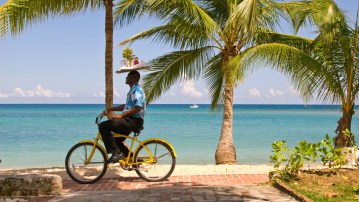
Connecting the Islands to the World: Jamaican Diaspora

lareddepathways.com – The Jamaican Diaspora, a vibrant and dynamic community, has played a pivotal role in connecting the small island nation to the global stage. This article explores the historical context, cultural impact, and economic contributions of the Jamaican Diaspora, highlighting how it serves as a bridge between Jamaica and the rest of the world.

Historical Context

The story of the Jamaican Diaspora is deeply rooted in the history of migration and the search for better opportunities. From the early 20th century, Jamaicans began to migrate to various parts of the world, including the United Kingdom, the United States, and Canada. This migration was driven by economic challenges, the search for employment, and the desire for a better quality of life. Over the years, the Jamaican Diaspora has grown significantly, with millions of people of Jamaican descent now living across the globe.

Cultural Impact

One of the most significant contributions of the Jamaican Diaspora is its cultural impact. Music, language, and cuisine are just a few of the ways in which the Diaspora has influenced the world. Reggae music, with its roots in Jamaica, has become a global phenomenon, largely due to the efforts of Jamaican artists who have taken their music to international audiences. The Diaspora has also played a crucial role in preserving and promoting Jamaican Patois, the country’s unique creole language, and has introduced Jamaican cuisine to the world, making dishes like jerk chicken and ackee and saltfish popular far beyond the island’s shores.

Economic Contributions

The Jamaican Diaspora is not only a cultural ambassador but also an economic powerhouse. Remittances from the Diaspora are a significant source of foreign exchange for Jamaica, contributing to the country’s economy and supporting families back home. Additionally, members of the Diaspora have invested in businesses and real estate in Jamaica, contributing to economic development and job creation. The Diaspora’s financial contributions have also supported educational and health initiatives, helping to improve the quality of life for many Jamaicans.

Connecting the Islands to the World

The Jamaican Diaspora serves as a vital link between Jamaica and the international community. Through cultural exchange, economic investment, and social engagement, the Diaspora has helped to raise awareness of Jamaica’s rich heritage and potential. It has also facilitated partnerships and collaborations that have benefited both the Diaspora communities and the homeland.

Conclusion

The Jamaican Diaspora is more than just a collection of individuals living outside of Jamaica; it is a community that has profoundly impacted the world. By connecting the islands to the global stage, the Diaspora has ensured that Jamaica’s culture, values, and potential are recognized and celebrated internationally. As the Diaspora continues to grow and evolve, its role in bridging Jamaica and the world will undoubtedly become even more significant.