
Šabac: A Historic City on the Sava River

lareddepathways.com – Šabac, a charming city nestled on the banks of the Sava River in western Serbia, boasts a rich history, stunning natural beauty, and a vibrant cultural scene. With its strategic location and historical significance, Šabac has played a crucial role in the region’s development.

A Glimpse into the Past

The city’s history dates back to the Roman era, when it was known as “Tarnavis”. However, it was during the Ottoman Empire that Šabac gained prominence as a fortified town. The iconic Šabac Fortress, built in the 15th century, stands as a testament to the city’s strategic importance. This impressive fortress has witnessed numerous battles and sieges, shaping the city’s history.   

A Natural Gem

Šabac is blessed with stunning natural beauty. The Sava River, which flows through the city, offers opportunities for various water activities, including boating, fishing, and swimming. The surrounding countryside is characterized by rolling hills, lush forests, and picturesque villages, providing a peaceful escape from the urban hustle and bustle.

A Cultural Hub

Šabac is a city with a vibrant cultural scene. The city hosts various festivals and events throughout the year, including the renowned “Čivijada,” a humor and satire festival that attracts visitors from all over the country. The city’s theaters, museums, and art galleries offer a diverse range of cultural experiences.   

A Modern City

Despite its rich history, Šabac is a modern city with a growing economy. The city has a thriving industrial sector, particularly in the fields of agriculture, food processing, and metalworking. Additionally, Šabac is known for its excellent educational institutions, including the University of Belgrade Faculty of Technology.

A Gateway to Nature

Šabac serves as a gateway to the stunning natural beauty of western Serbia. The nearby Cer Mountain, a site of significant historical importance, offers opportunities for hiking, biking, and skiing. The picturesque villages of the Mačva region, with their traditional architecture and warm hospitality, are perfect for a leisurely day trip.   

In conclusion, Šabac is a city that seamlessly blends history, culture, and nature. With its rich heritage, stunning landscapes, and vibrant atmosphere, Šabac offers a unique and unforgettable experience for visitors. Whether you’re interested in exploring historical sites, indulging in outdoor activities, or simply relaxing by the river, Šabac has something for everyone.
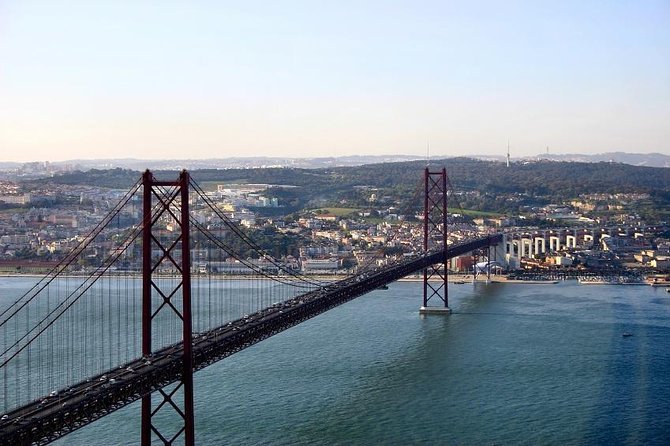
Lifeline of Lisbon: The Tagus River

lareddepathways.com – The Tagus River, known as Tejo in Portuguese, is not just a geographical feature that flows through the heart of Portugal; it is a lifeline that has nurtured the city of Lisbon for centuries. This majestic river, with its rich history and cultural significance, has played a pivotal role in shaping the city’s identity, economy, and social fabric.

Historical Significance

The Tagus River has been a vital artery for Lisbon since ancient times. Its strategic location made it an essential route for trade and military movements. The Phoenicians, Greeks, Romans, and Moors all recognized the river’s importance, using it as a gateway to the Atlantic and beyond. The river’s banks are dotted with historical landmarks that tell the story of Lisbon’s past, from the Belém Tower, a UNESCO World Heritage Site, to the Jerónimos Monastery, a testament to Portugal’s Age of Discovery.

Economic Lifeline

The Tagus River has been the backbone of Lisbon’s economy, serving as a crucial port for maritime trade. In the past, it was the departure point for explorers setting off to discover new lands, contributing to Portugal’s status as a global maritime power. Today, the river continues to support the city’s economy, facilitating commerce, fishing, and tourism. The Port of Lisbon, one of the largest in Europe, handles a significant volume of cargo, while the river’s scenic beauty attracts visitors from around the world.

Cultural and Social Hub

Beyond its economic value, the Tagus River is a cultural and social hub for Lisbon. Its banks are lined with parks, promenades, and cafes, offering residents and tourists alike a place to relax and enjoy the outdoors. The river is the centerpiece of many of the city’s festivals and events, including the famous Festa do Santo António, where locals gather to celebrate their patron saint with music, food, and fireworks over the water.

Environmental Importance

The Tagus River also plays a crucial role in the environmental health of Lisbon. It is a vital source of freshwater and supports a diverse ecosystem. Efforts to clean and preserve the river have been underway for decades, with significant improvements in water quality and biodiversity. The river’s banks are home to various species of birds, fish, and plants, making it an important site for conservation and recreation.

Conclusion

The Tagus River is more than just a body of water; it is the lifeline of Lisbon. From its historical significance to its economic, cultural, and environmental contributions, the river has been an integral part of the city’s development and identity. As Lisbon continues to grow and evolve, the Tagus River will undoubtedly remain at the heart of the city, a symbol of its past, present, and future.